
Chapter 5 — full chapter
Chapter 5 — full chapter
5.3.4 Case example — Chloé × Mifuko: choosing a people angle
Chloé’s collaboration with Mifuko demonstrates how a commercial product story can be organised around the people involved in its production. The Maison’s basket bags are handwoven by independent craftswomen in rural Kenya using fair-trade materials. Chloé’s product communication foregrounds the artisans, fair pay and the possibility of earning income alongside agricultural work, reducing dependence on unpredictable farming conditions. Chloé — Woody basket
Although the communication could have focused primarily on the basket’s materials, construction or design, it adopts a predominantly people-centred angle. The makers’ skills and economic autonomy become part of the product’s value, connecting craftsmanship with Chloé’s wider commitment to advancing women.
The story is supported by an ongoing commercial relationship rather than a one-off campaign. Mifuko reports that the partnership contributed to business growth and helped finance the establishment of its Kenyan subsidiary, strengthening its local operations and relationships with artisan groups. Mifuko — Chloé collaboration
The case also shows that a people story can combine several supporting angles:
- People: the women who weave the baskets and the value of their expertise;
- Process: handweaving and distributed rural production;
- Product: the material, construction and individual character of each basket;
- System: fairer purchasing relationships and more resilient income opportunities.
The people angle remains the narrative priority, while the other angles provide context and evidence.
Reflection prompt
How does foregrounding the artisans change the perceived value of the basket? What additional information would help audiences assess the long-term social impact of the collaboration?
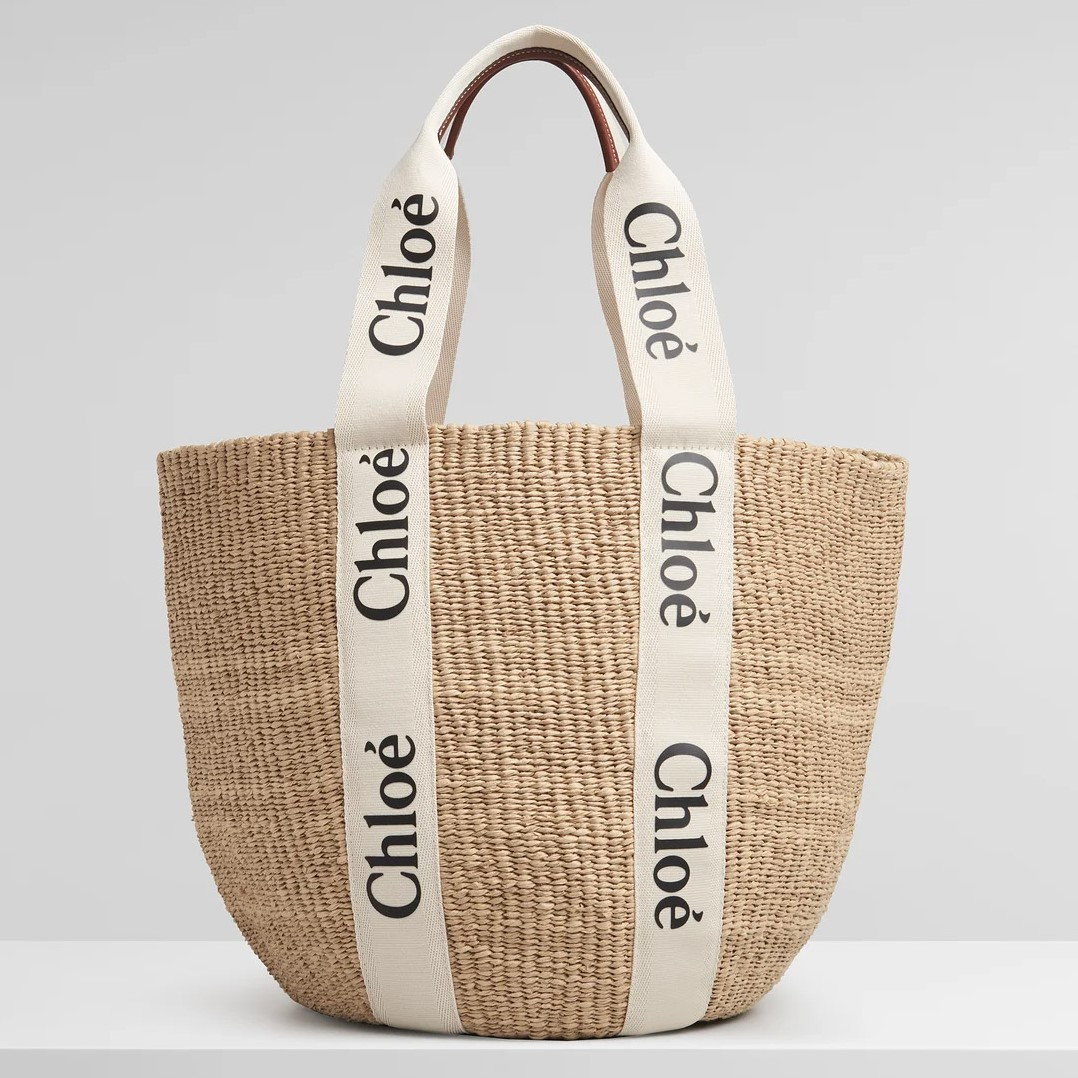
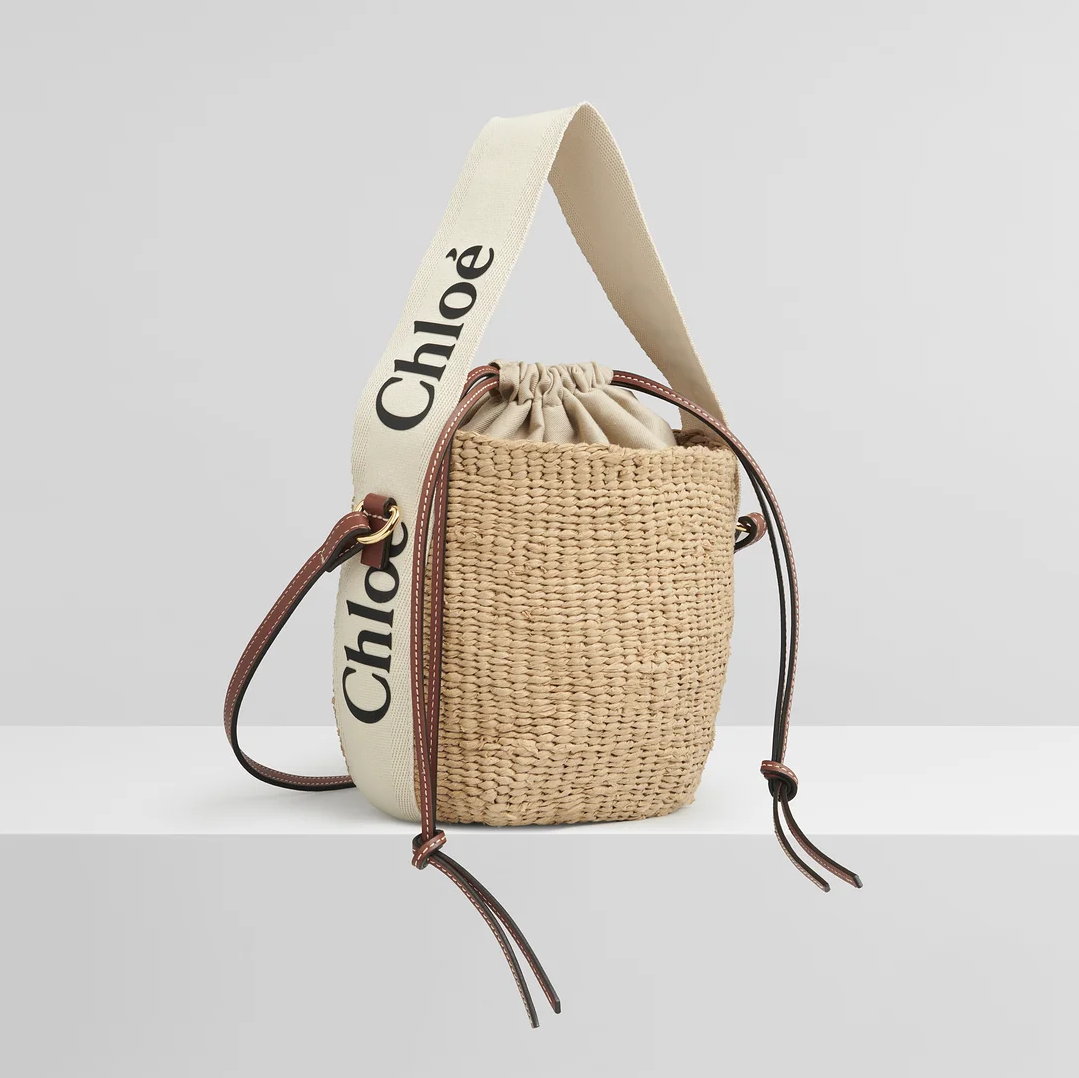
Figure 5.8. Chloé × Mifuko collaboration. By foregrounding the Kenyan craftswomen who handweave its basket bags, Chloé adopts a people-centred story angle that connects craftsmanship and product value with women’s skills, fair pay and economic opportunity.
Image credit: Chloé × Mifuko collaboration. © Chloé.
Chloé’s creative direction by Chemena Kamali further reinforces this narrative territory by presenting hand-finished details, textile knowledge, and folkloric references as sources of emotional and cultural value. However, craft-inspired imagery should not be treated as evidence of responsible production unless it is connected to identifiable makers, processes, and working conditions.
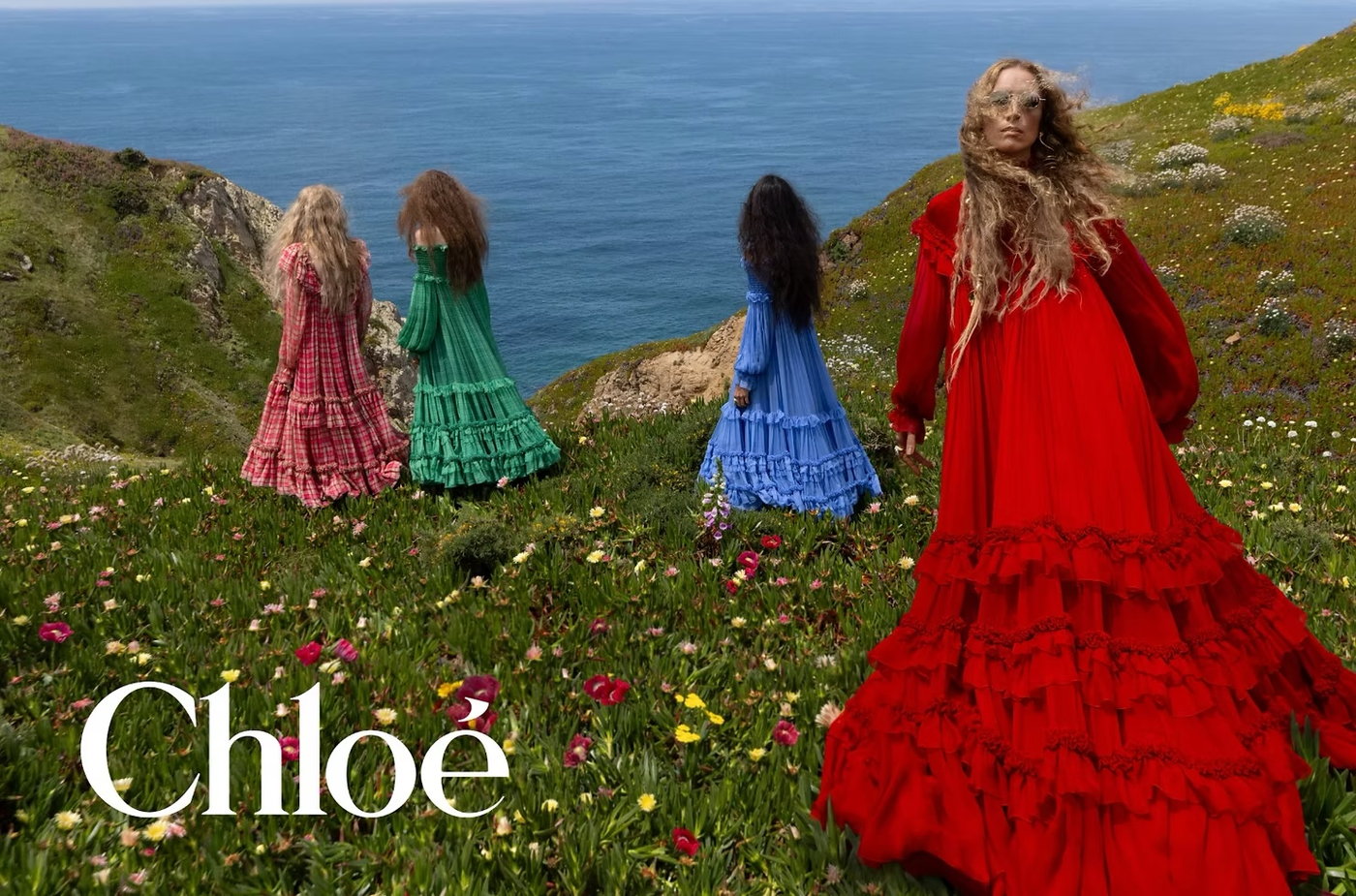
Figure 5.9. Chloé Winter 2026 Campaign. Through its focus on women, nature, craftsmanship and togetherness, the campaign transforms hand-finished details, inherited knowledge and material variation into sources of emotional and cultural value. It demonstrates how creative imagery can establish a narrative territory around craft, although the campaign itself does not constitute evidence of responsible production.
Campaign credits: Creative Direction — Chemena Kamali; Photography and Film Direction — Inez van Lamsweerde and Vinoodh Matadin; Styling — Elodie David Touboul; Models — Raquel Zimmermann, Jacqui Louise, Thalita Ferreira and Sarah Isaksen. Image © Chloé. Chloé Winter 2026 Campaign