
Chapter 1 — full chapter
Chapter 1 — full chapter
1.3.1 Case Example — Miu Miu Upcycled: Existing Garments as the Design Brief
Launched in 2020, Miu Miu Upcycled reverses the conventional design process by beginning with existing garments rather than a predetermined product specification. Its first collection transformed 80 vintage dresses dating from the 1930s to the 1980s into one-off, numbered pieces. The material, construction, history, and limitations of each original garment influenced the final design.
In this model, circularity does not simply appear as an additional feature applied to a new product. The existing garment becomes the creative brief. Variation, traces of previous use and material constraints generate uniqueness and luxury value rather than being treated as defects to conceal.
The project does not, by itself, resolve questions of scale or establish a complete circular system. Nevertheless, it demonstrates how circular constraints can become a source of aesthetic and product innovation—extending an existing garment’s life while creating something that could not have been designed in exactly the same way from virgin materials.
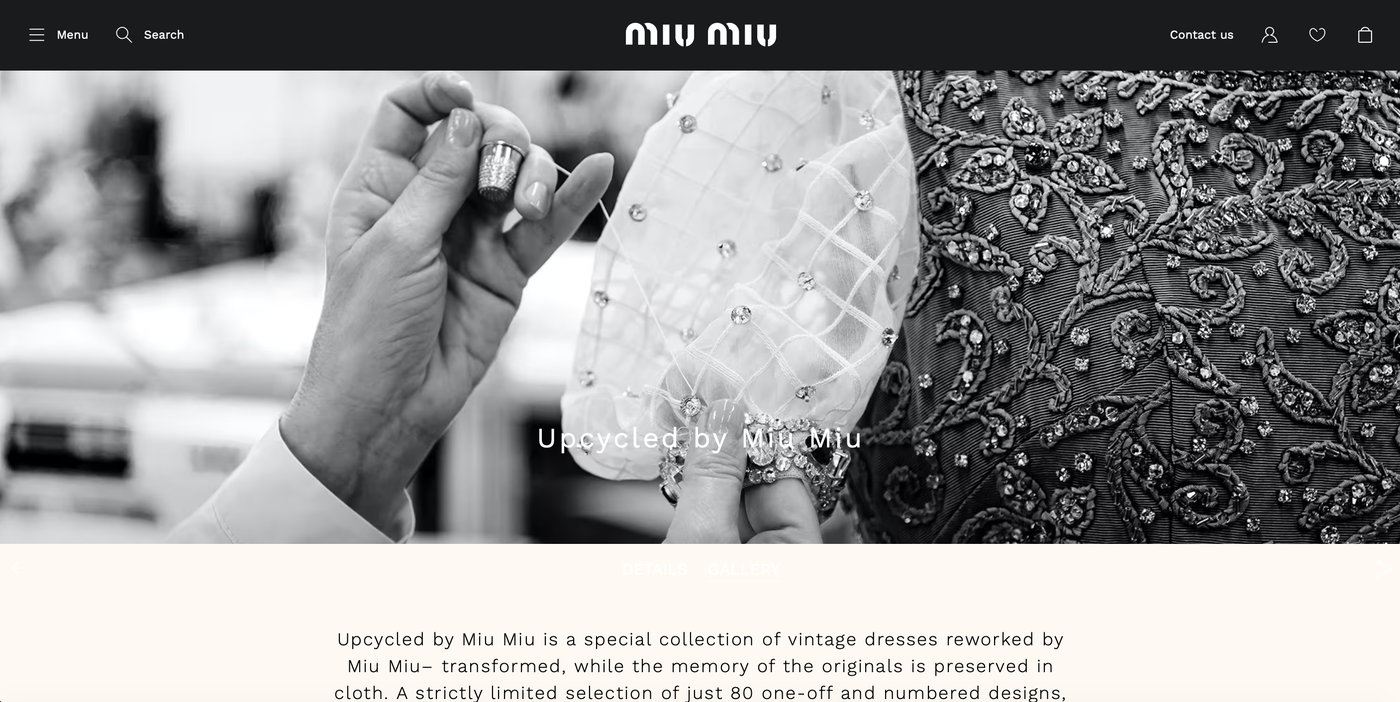
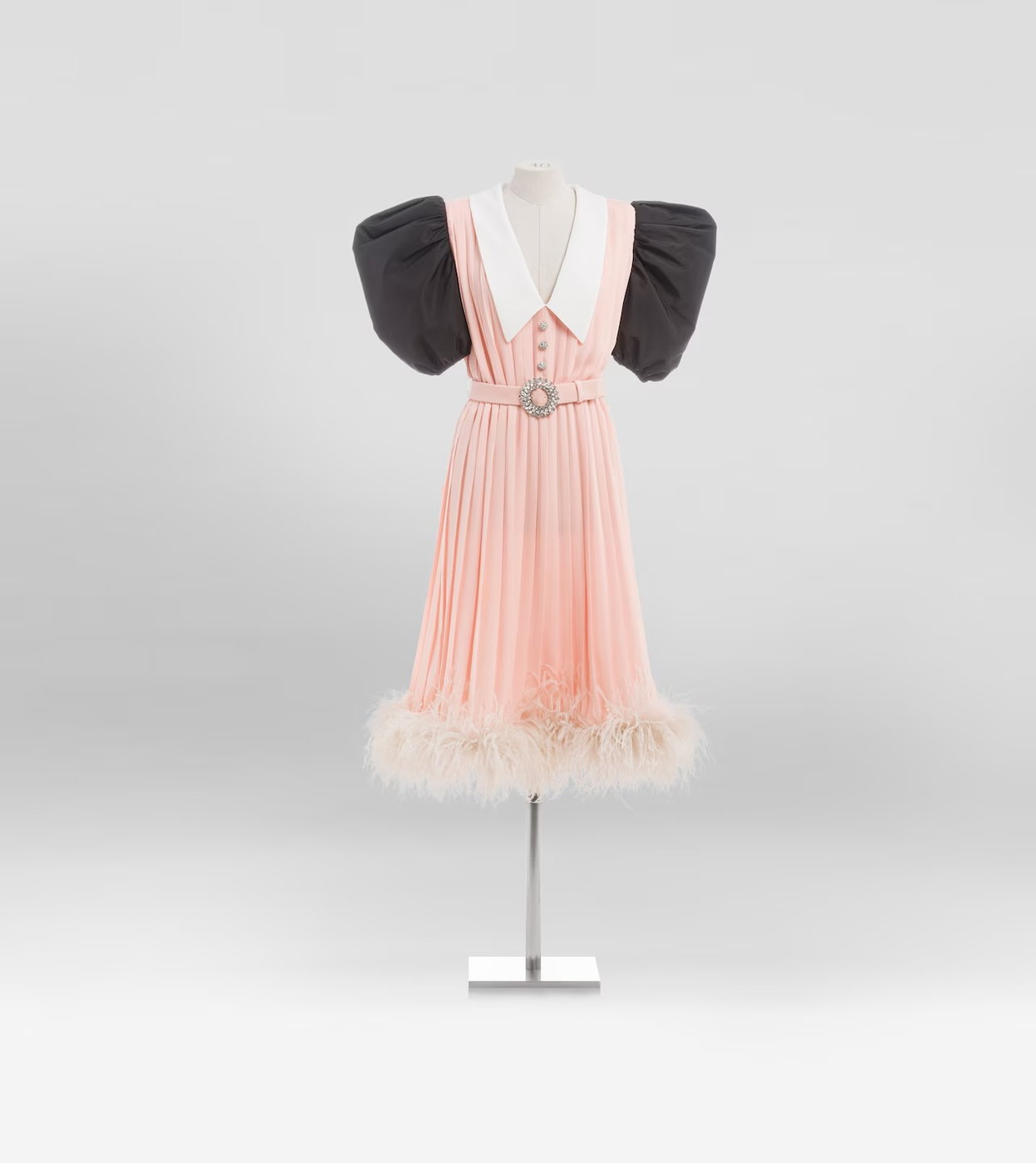
Figure 11. Miu Miu Upcycled transforms selected vintage garments into one-off luxury pieces, allowing the materials, construction and history of each original item to shape the new design. Source: Miu Miu, Upcycled by Miu Miu.