
Chapter 5 — full chapter
Chapter 5 — full chapter
5.2.1 Case example — GANNI × Vestiaire Collective: giving clothes a new story
In 2025, GANNI partnered with Vestiaire Collective to enable customers to resell pre-owned GANNI products. Rather than communicating resale only as a transaction or environmental service, the campaign focuses on the memories and emotions held by clothing. Under the message “From One GANNI Girl to Another,” it refers to the stories associated with garments — from first dates to new beginnings — and presents resale as an opportunity for those stories to continue with another wearer.
This approach connects circular participation with GANNI’s existing identity of self-expression, community, and belonging. The garment’s previous life is not treated as a defect or something to erase; it becomes part of its emotional and cultural value. Resale therefore allows attachment to move beyond the first owner while maintaining the product’s desirability.
The partnership also provides a practical route into resale: customers submit information and images, receive an offer from Vestiaire Collective and, once the item has been assessed, receive a GANNI gift card with a 10% top-up. The incentive raises a design question common to many resale and take-back programmes: a gift card rewards participation but may also encourage a new purchase. How this is balanced shapes whether resale extends product life overall.
Reflection prompt
Does the campaign transfer emotional value from one wearer to another, or mainly reinforce attachment to the GANNI brand? How could the service demonstrate that resale is extending product life and replacing demand for new production?
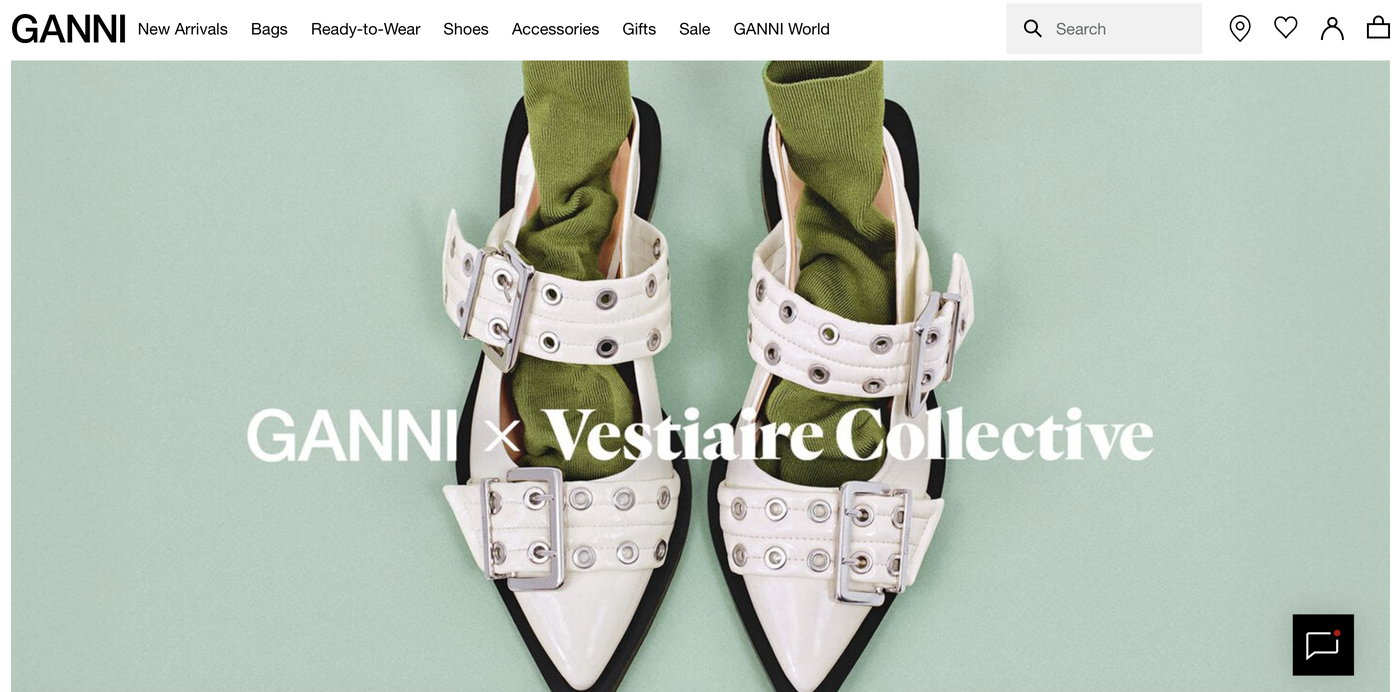
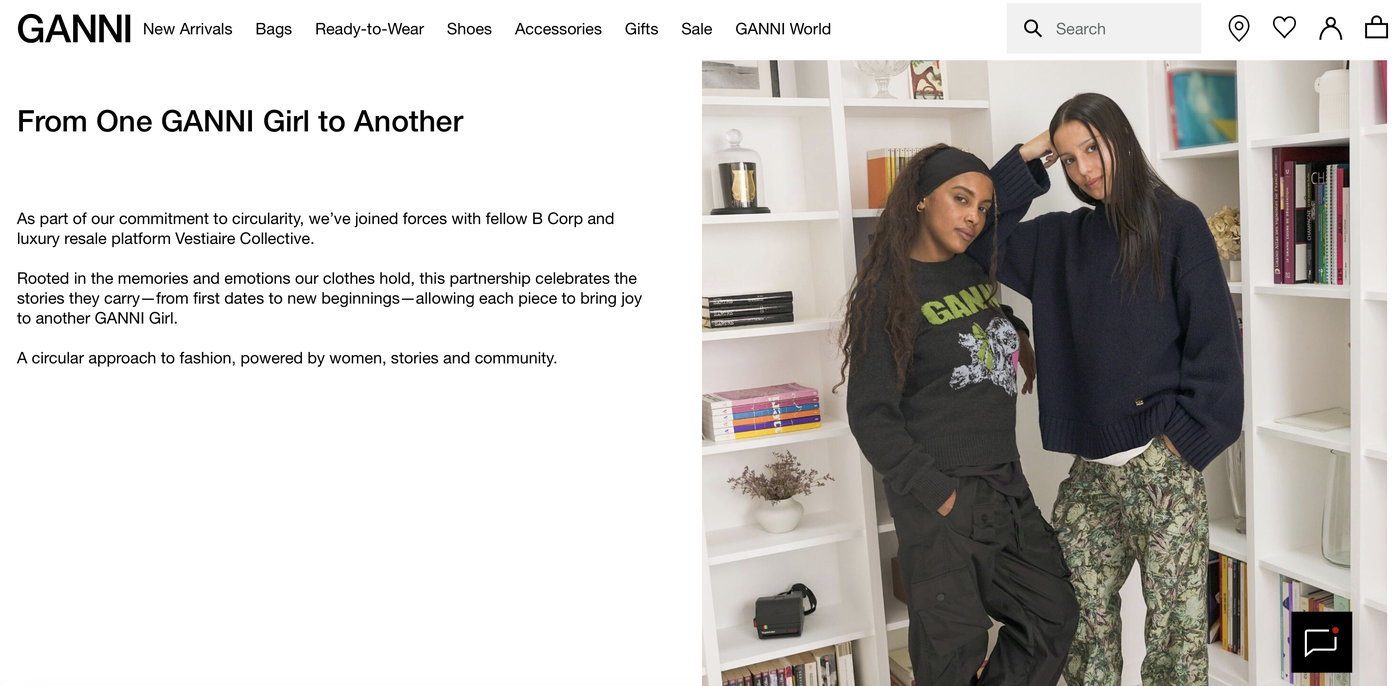
Figure 5.4. GANNI × Vestiaire Collective — “From One GANNI Girl to Another” (2025). The resale campaign presents garments as carriers of memories and stories, using emotional attachment and community belonging to preserve their desirability across successive users.
Image credit: “From One GANNI Girl to Another,” GANNI × Vestiaire Collective, 2025. Courtesy of GANNI and Vestiaire Collective.