
Chapter 4 — full chapter
Chapter 4 — full chapter
4.5.2 Design for Repair
Design for repair keeps garments serviceable through accessible seams, replaceable fasteners, durable thread and components that can be removed without damaging the product. Standardised parts, spare buttons or zips, repair instructions and clear material information reduce the time, skills and cost needed for maintenance.
Repair also depends on services and infrastructure. Brands can work with local repairers, offer in-house or mail-in services, provide spare parts and use recurring failures to improve future designs. Repair cafés and partner workshops build practical skills and show where products are difficult to open, diagnose or restore. For SMEs, piloting repair on one product category can test demand, pricing and logistics before a wider programme (Cooper & Claxton, 2022; Ruiz-Pastor & Mesa, 2023).
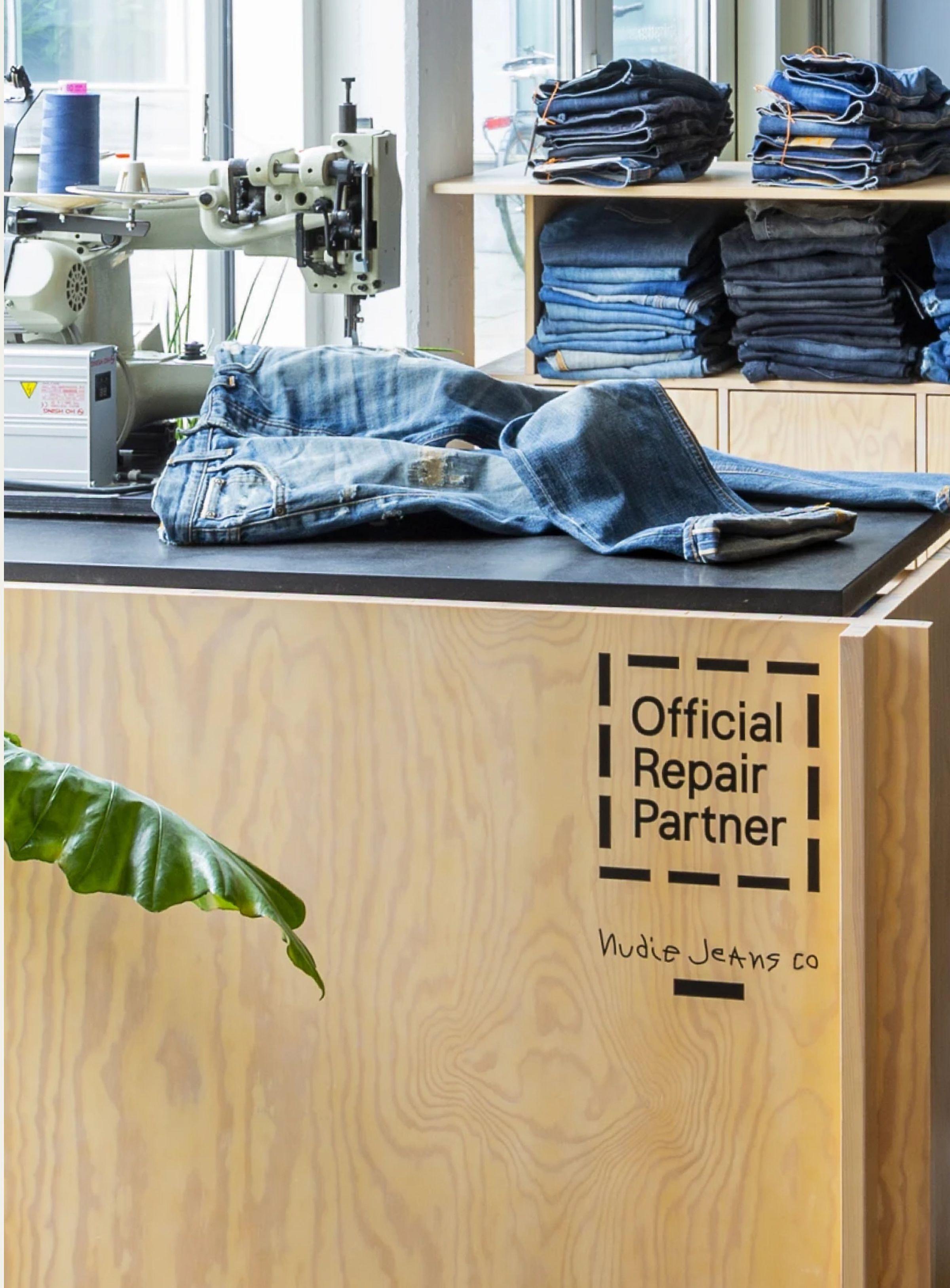
Figure 4.1. Repair in practice at a Nudie Jeans Repair Partner, where damaged jeans are restored using specialist sewing equipment rather than replaced. The case shows how repair services can extend product life when product design, spare materials and service infrastructure work together. Credit: Nudie Jeans. Source: Nudie Jeans, Repair Service.
Source: Nudie Jeans, Repair Service.