
Chapter 2 — full chapter
Chapter 2 — full chapter
2.2 Regenerative materials
Regenerative materials are connected to production systems that aim to restore ecosystems while producing fibres. They are not defined only by the fibre itself, but by the way land, animals, forests or farming systems are managed (Textile Exchange, 2023; Kering, n.d.-a).
This distinction is important. A renewable material comes from a resource that can be replenished. A regenerative material goes further by being connected to practices that aim to improve soil health, biodiversity, water cycles, carbon storage or rural resilience (Textile Exchange, 2023).
In fashion, regenerative materials can come from different sources:
Regenerative plant fibres, such as cotton, hemp, flax or nettle grown in systems that aim to restore soil and biodiversity.
Regenerative animal fibres, such as wool, alpaca or cashmere connected to improved grazing, animal welfare and land management.
Regenerative forestry fibres, such as cellulosic fibres from responsibly managed forests, thinning residues, deadwood by-products or agroforestry systems.
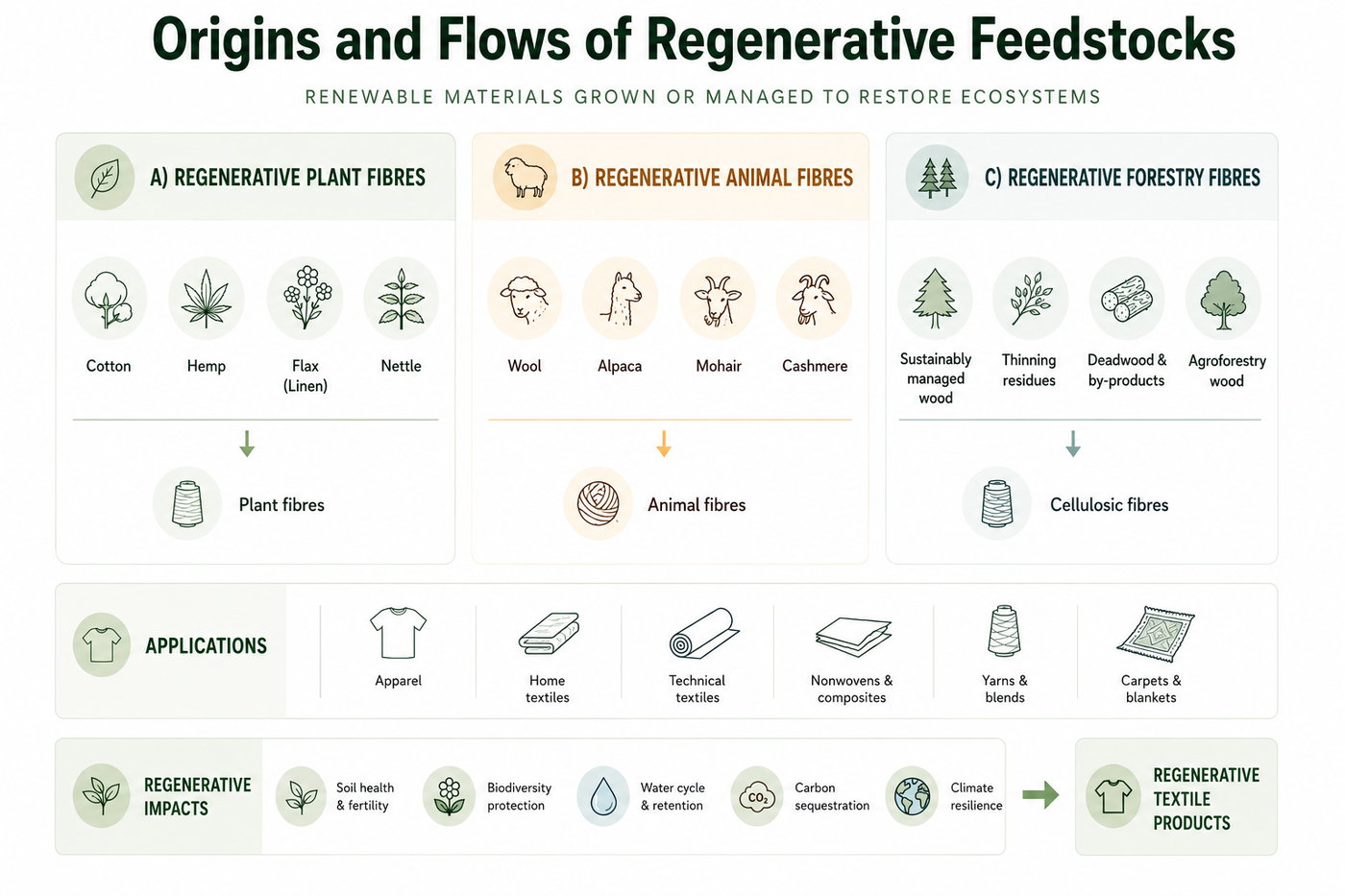
Figure 2.2. Regenerative Feedstocks, Origins and Flows. Credit: FashionKIC, 2026.