Chapter 5 — full chapter
5.2.2 HOUDINI sportwear — designing for one recovery route
Learning question: what has to be true for a mono-polymer product to be recycled into a new fibre rather than downcycled or discarded?
Founded in Sweden in 1993, Houdini Sportswear has integrated circular design principles into every stage of product development. Its products are designed to be durable, extending their useful life through high-quality materials and functional performance. Garments are created to be repairable, allowing components to be maintained rather than replaced. Wherever possible, Houdini simplifies construction and uses mono-material designs, making products easier to disassemble and recycle at the end of their life. The company also prioritises timeless aesthetics over short-lived fashion trends, encouraging long-term use and emotional attachment. By combining these strategies, Houdini demonstrates how thoughtful design can minimise waste and support a circular textile system.
The Mono Air Houdi is 73% recycled polyester and 27% virgin stretch polyester, and its recyclability depends on the garment returning through Houdini’s take-back system and on the availability of a fibre-to-fibre route for that polymer. The composition removes one barrier: blend separation, but leaves collection, transport and recycling capacity as conditions. Mono-polymer construction is not automatically lower-impact, it is the right choice where it is compatible with performance and with a recovery pathway that exists.
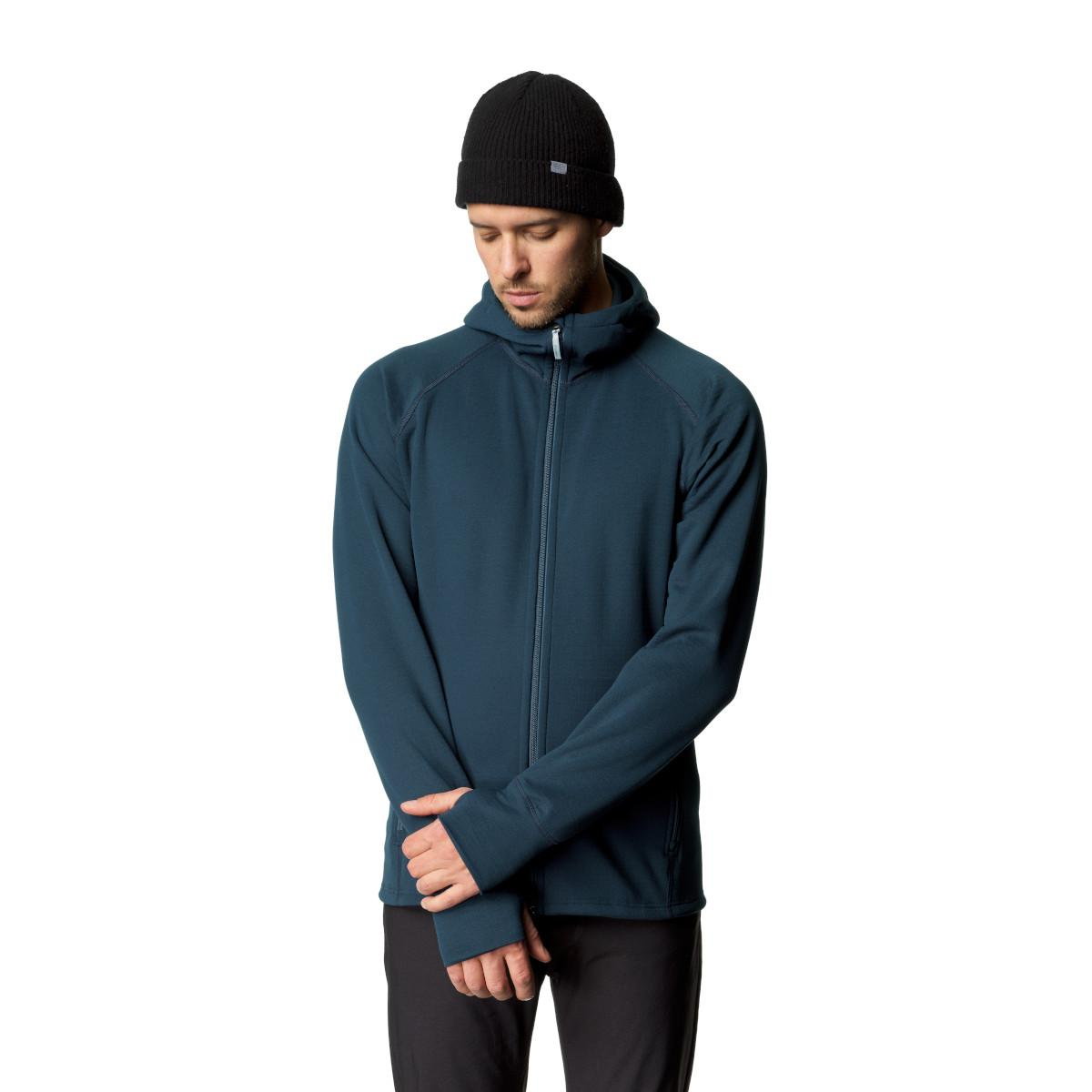
https://houdinisportswear.com/en-us/campaigns/project-mono-air/mono-air-circular-design-principles
CASE STUDY: Constança Entrudo. The Portuguese designer is recognised for a signature “unwoven” textile technique using bonded recycled-polyester yarns. The case is useful for discussing material experimentation, distinctive aesthetics, recycled-content evidence and end-of-life trade-offs. It should not be described as zero-waste construction unless a specific collection and cutting method are documented. Source: https://www.constancaentrudo.com/constancas-world/about
GFA RESOURCE: Global Fashion Agenda Monitor Update 2024. Among respondents to the consultation, 65% of brands and 74% of producers reported targets to design all products across the textile value chain for a circular economy by 2040. These are respondent results, not estimates of industry-wide prevalence. The report also recommends reducing unnecessary material complexity and collaborating across design, manufacturing, sorting and recycling. Source: https://globalfashionagenda.org/wp-content/uploads/2024/11/GFA-Monitor-Update-2024-Final-4.pdf