Chapter 4 — full chapter
4.3.1 Case Example: Chloé Vertical - Digital Identity Linked to Resale
For its Spring/Summer 2023 Chloé Vertical initiative, Chloé introduced Digital IDs powered by EON on selected products. Customers could scan an item to access information tracing materials from source to finished product, together with care and repair information. Eligible products were also connected to an instant resale pathway through Vestiaire Collective.
The example is useful because the Digital ID was designed to support more than disclosure. It connected provenance, product identity, and a circular service. That made the data operational: the same identity that supported transparency could reduce friction in authentication and resale. It also required supplier collaboration before the product reached the customer.
However, a voluntary Digital ID pilot is not the same as regulatory compliance with a future textile DPP. The relevant lesson is readiness: define product identity, collect evidence at source, structure data, maintain it and connect it to services that preserve value.
| REFLECTION PROMPT Which information in your current product file could already support care, repair, resale or recovery - and which critical data is still held only by a supplier? |
|---|
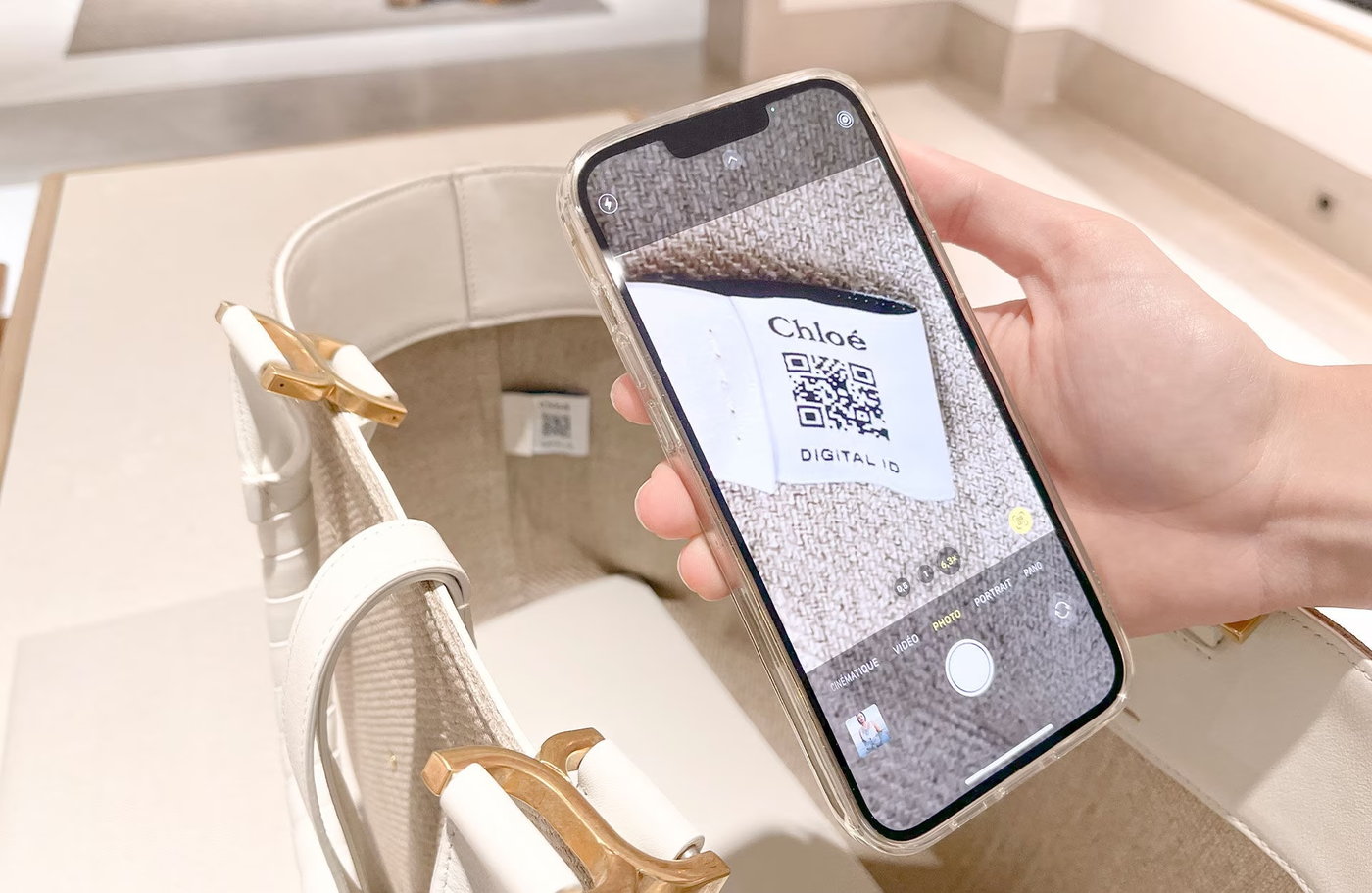

Figure X. From sourcing strategy to product-level transparency at Chloé. After its 2021 environmental impact assessment identified raw materials as the Maison’s greatest impact area, Chloé developed annual sourcing guidelines to steer material selection and supplier practices. Its Digital ID carries traceability information forward, supporting authenticity, care, repair and facilitated resale. Sources: Chloé, Sustainability Strategy Guidelines for Sourcing 2025; Chloé Digital Passport & Circularity.