Chapter 3 — full chapter
3.4.1 Case Example — Gabriela Hearst × Manos del Uruguay: Craft, Livelihoods and Luxury Value
Gabriela Hearst has worked with Manos del Uruguay to produce distinctive hand-knitted pieces that form part of the designer’s main collections. Founded in 1968, Manos del Uruguay is a non-profit organisation and network of cooperatives that provides employment, training and economic opportunities for women living in rural areas of Uruguay. Its artisans work with handknitting, weaving and small-batch dyeing techniques, combining specialist knowledge with natural, high-quality fibres.
The collaboration demonstrates how environmental, social, and economic value can be connected through design. From an environmental perspective, the emphasis on natural fibres, skilled construction, material quality, and enduring design can support products intended to remain desirable and in use for longer. Socially, production sustains specialised craft skills and creates paid work for women who might otherwise have limited employment opportunities within their local communities. Economically, artisanal expertise is positioned as an essential component of contemporary luxury rather than treated as an anonymous or low-cost production input.
The pieces are not presented as a separate charitable initiative. Hand-knitted garments by Manos del Uruguay appear within Gabriela Hearst’s seasonal collections and contribute directly to the brand’s aesthetic language. The visible texture, colour, construction and time invested in each piece become part of its creative and commercial value. This makes the collaboration particularly relevant to designers: responsibility is not added after the design process but helps shape the product itself.
However, artisanal production and natural materials do not automatically make a product circular. Further assessment would require evidence about fibre sourcing, processing impacts, durability, repair options, production volumes, value distribution, and end-of-use pathways. The case nevertheless shows how fashion design can recognise social and environmental conditions as sources of quality, authorship and value rather than as constraints on creative ambition.
Reflection prompt:
How does collaboration transform craft knowledge and production time into creative, social, and economic value? What additional evidence would be required to assess its environmental and circular outcomes?
Sources: Gabriela Hearst — Spring/Summer 2025 Collection and Manos del Uruguay — collaboration with Gabriela Hearst.
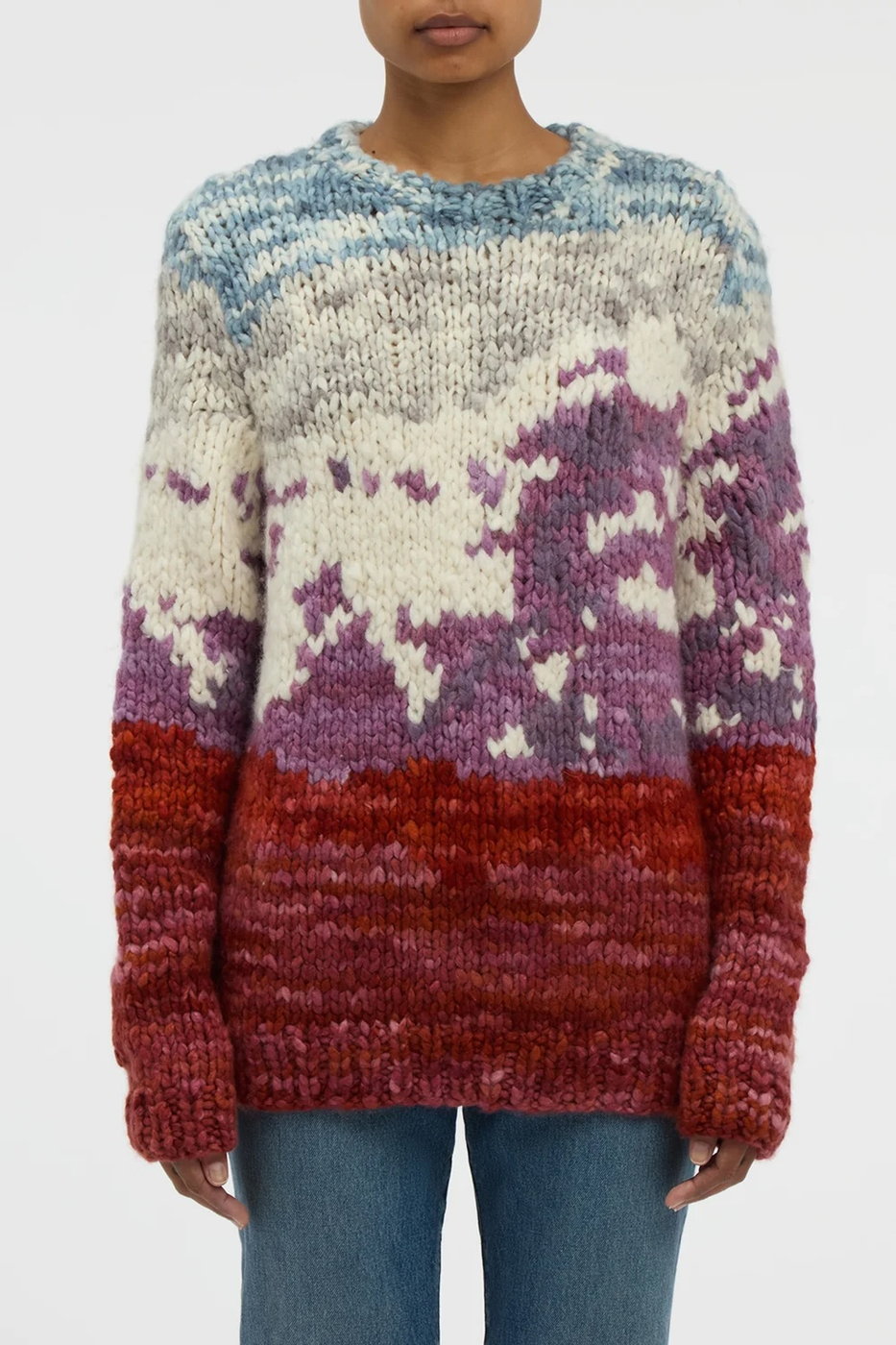
Figure X. Hand-knitted sweater by Gabriela Hearst, produced in collaboration with Manos del Uruguay. The piece brings artisanal skills, visible construction and production time into the creative and economic value of contemporary luxury. Source: Gabriela Hearst.

Video X. The artisans of Manos del Uruguay. The video presents the cooperative network, specialist craft knowledge and rural livelihoods behind its collaboration with Gabriela Hearst, making the people and processes of production visible. Source: Manos del Uruguay.