Chapter 2 — full chapter
2.5 Regenerative Design: Restoring Ecosystems and Communities
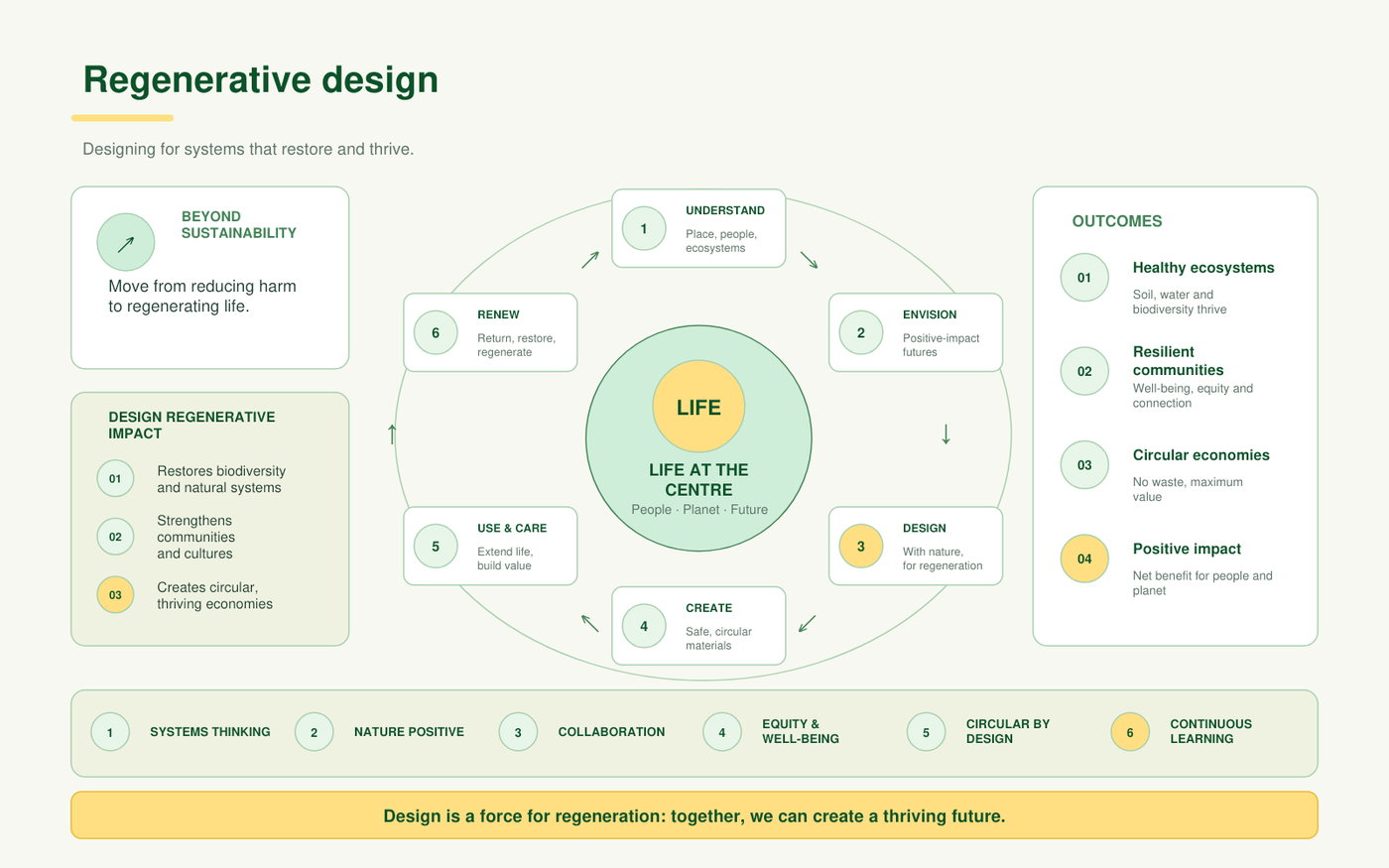
Figure 19: Regenerative design goes beyond reducing harm. It asks whether fashion products, materials, and business models can support healthier ecosystems, communities, and resource cycles.
Regenerative design broadens the focus from reducing product impacts to strengthening the ecological and social systems that make production possible.
In fashion, this may involve restoring soil health, increasing biodiversity, improving water cycles, building regional skills and infrastructure, strengthening farming communities or creating fairer and more resilient local economies. Regeneration is therefore not a property of a finished fibre or garment alone. It depends on relationships between landscapes, people, production practices and long-term governance.
A garment made with a fibre described as “regenerative” is not automatically a regenerative product. Designers and brands must understand where the material comes from, what farming or production practices are used, how outcomes are measured and whether value is shared across the system.
Regenerative design asks a more ambitious question than impact reduction: can the activity help improve the systems from which it draws resources?