Chapter 2 — full chapter
2.4.1 Case Example — Faber Futures: Project Coelicolor
Faber Futures’ Project Coelicolor, developed by Natsai Audrey Chieza in collaboration with Professor John Ward at University College London, investigates how the soil-dwelling bacterium Streptomyces coelicolor can produce colour for textiles.
Rather than manufacturing a conventional dye and applying it to finished fabric, the process cultivates pigment-producing bacteria in direct relationship with protein fibres such as silk. By adjusting growth conditions and developing specialised tools and protocols, the designers can influence colour, pattern and placement.
The project’s Assemblage experiments show how the biological process can also influence garment construction. Individual pattern pieces are dyed before assembly, allowing bacterial growth to become part of the planning of the garment rather than merely a decorative finishing stage.
Faber Futures reports that the method can produce colourfast results without conventional dyeing chemicals and with substantially reduced water use. The project demonstrates how organisms can become collaborators in design, while also revealing new requirements involving laboratory knowledge, incubation time, consistency and scale. Faber Futures — Project Coelicolor and Assemblage 002
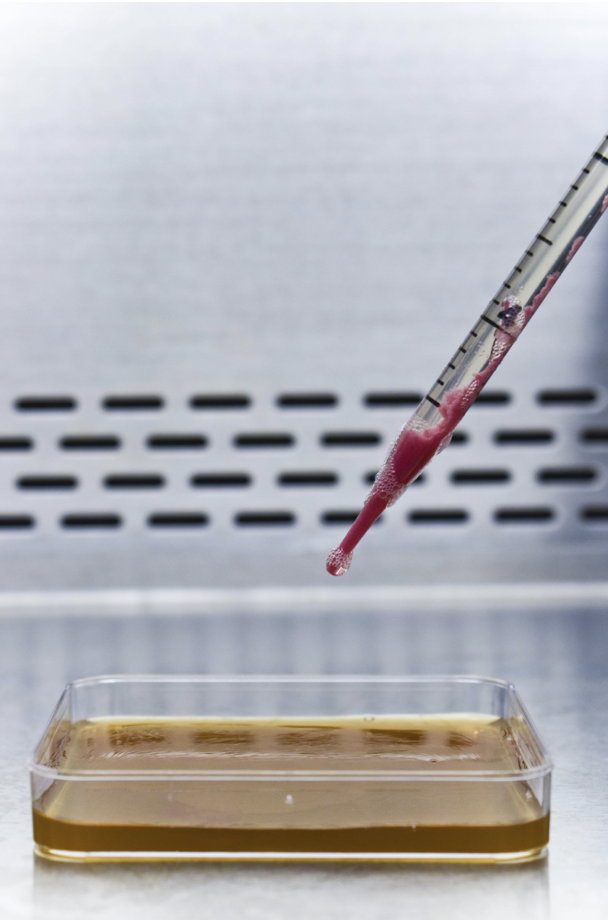
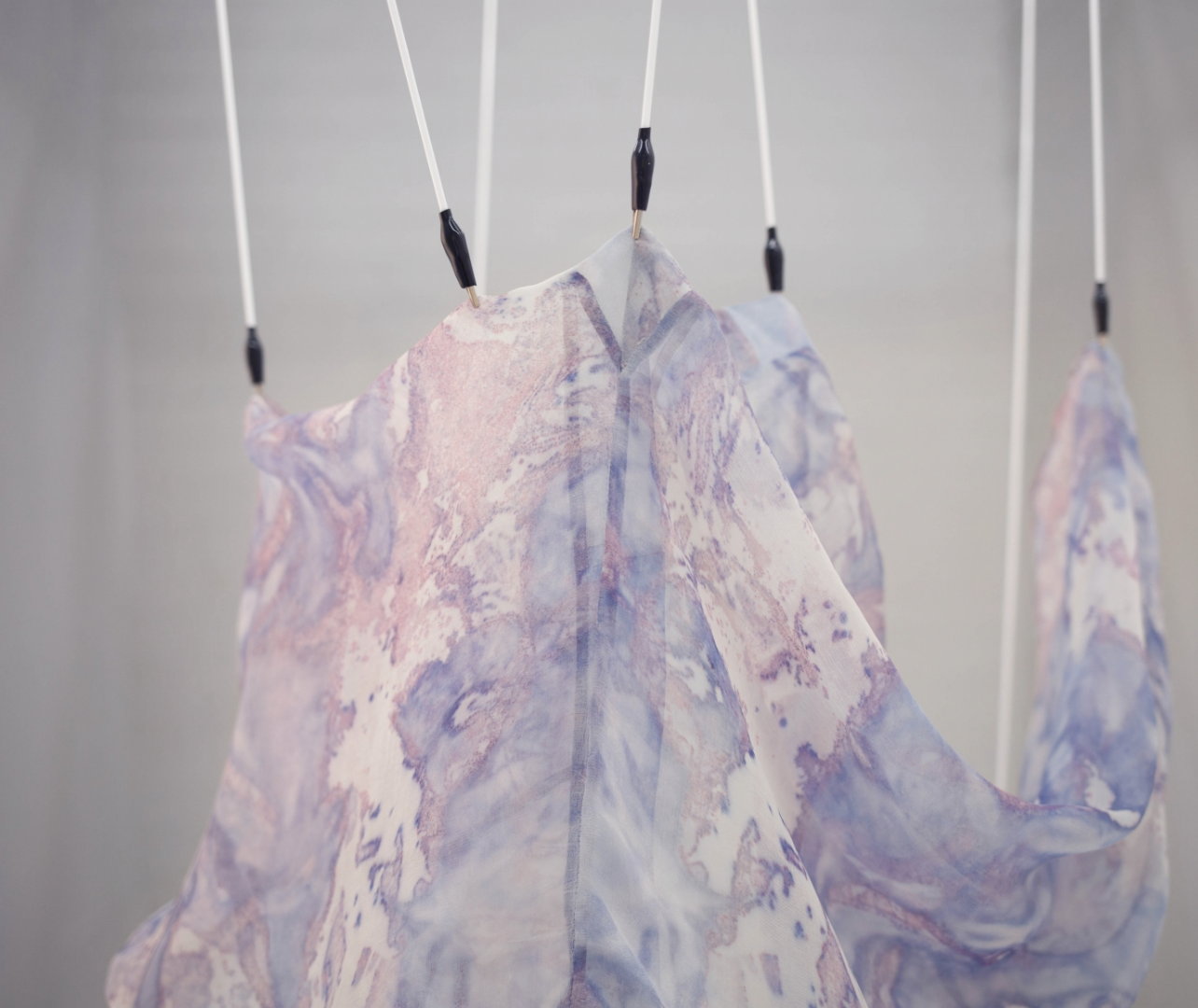
Figure 17. In Project Coelicolor, pigment-producing bacteria are cultivated in direct relationship with silk. Biological growth influences colour, pattern, process and garment construction, demonstrating how microorganisms can become active participants in textile design.