Chapter 1 — full chapter
1.2.2 Case Example — ECOALF: Building a Material Recovery Network
ECOALF’s Upcycling the Oceans project shows that waste only becomes a usable design resource when a system exists to recover, sort and transform it. Launched in Spain in 2015, the initiative works with fishing communities, ports, waste managers and recycling partners to collect marine litter caught in fishing nets and return it to land for sorting.
The recovered waste contains many different materials and levels of contamination. Only around 5–10% is PET suitable for transformation into ECOALF’s Ocean Yarn, a recycled polyester used in clothing, footwear and accessories. This illustrates an important reality of urban mining: the existence of waste does not automatically make it a viable material resource. Quality, separation, traceability, processing capacity and collaboration across the value chain determine what can actually return to production.
The project’s main innovation is therefore not simply a fabric made from recovered bottles. It is the creation of an organised recovery network that turns a dispersed and previously inaccessible waste stream into a potential source of material for design.
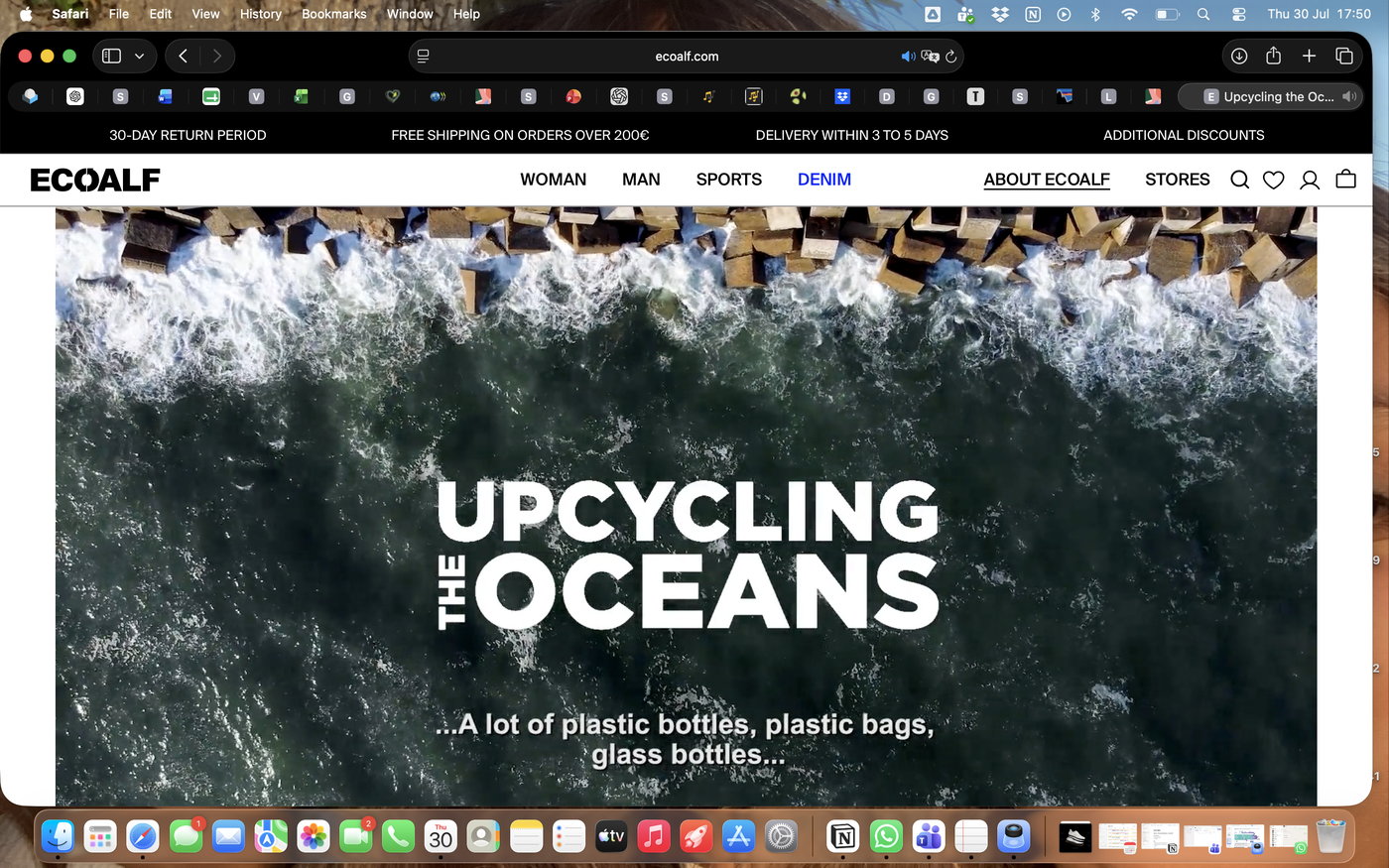
https://vimeo.com/830102855?fl=pl&fe=cm
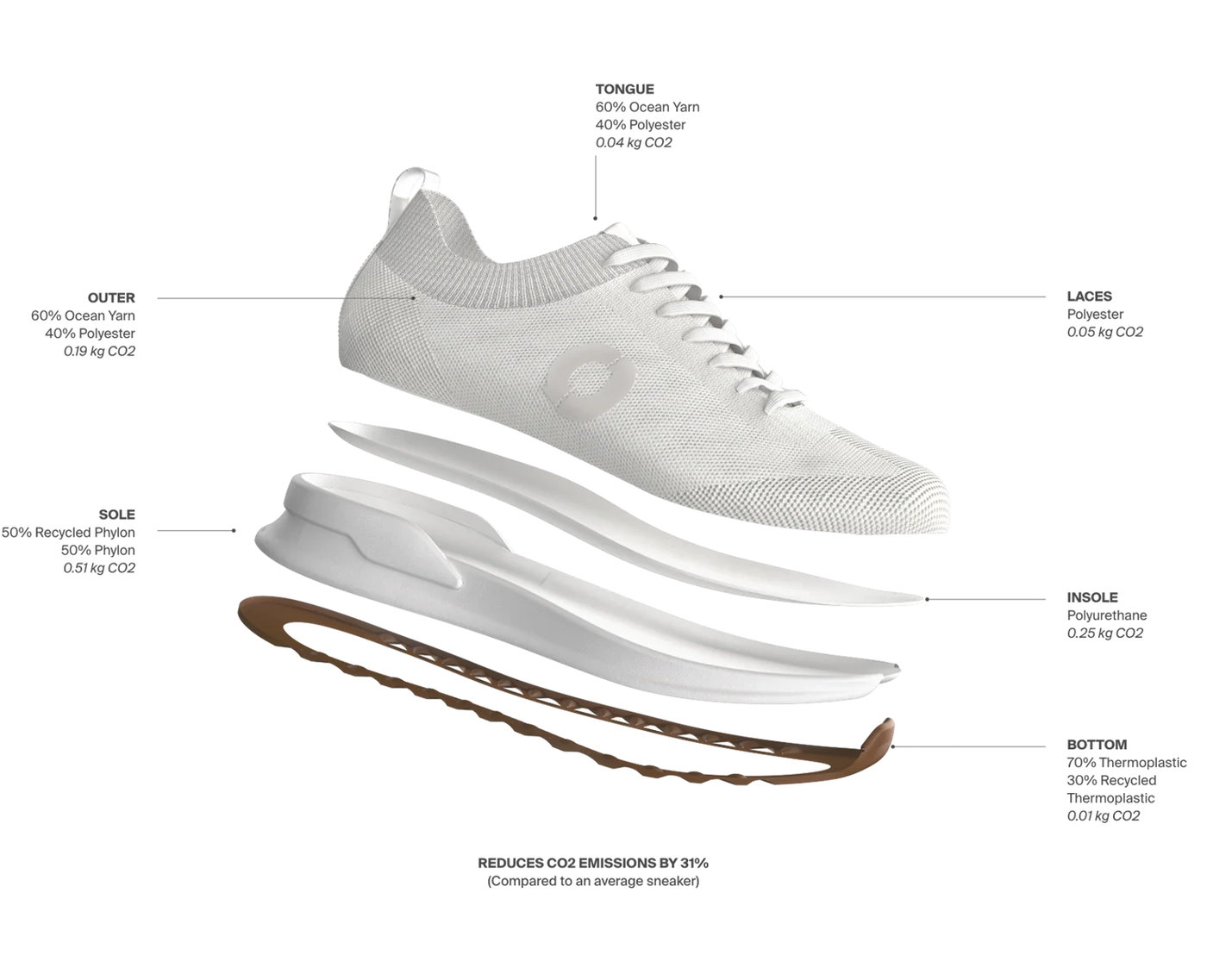
Figure 8. ECOALF’s Upcycling the Oceans project connects fishing communities, ports, waste managers and recycling partners to recover and transform marine litter. The initiative demonstrates that waste becomes a design resource only when supported by collection, sorting, and processing infrastructure. Sources: Upcycling the Oceans and Materials: Ocean Yarn