Chapter 5 — full chapter
5.6.1 Marine Serre — regeneration, time and emotional value
Marine Serre presents the transformation of existing materials as a central part of the house’s creative identity. Deadstock fabrics, household textiles, and existing garments are not communicated as inferior substitutes for new materials. Through distinctive design codes, craftsmanship, styling and image-making, regeneration becomes visually recognisable and culturally desirable.
This approach is particularly visible in the Fall–Winter 2026 project The Grace of Time, developed through a dialogue with the Louvre and its curators. Photographed as a series of carefully composed tableaux resembling living paintings, the collection explores what allows objects, forms and gestures to endure across generations. Garments are presented not as fleeting seasonal products but as living objects capable of transforming, accumulating meaning and carrying material and cultural histories forward.
The narrative is supported by the collection’s use of upcycled silk scarves, reconstructed T-shirts, regenerated materials, and pieces involving extensive handwork. The original materials are not concealed or stripped of their previous identities. Their transformation becomes part of the product’s aesthetic and emotional value, combining verified material information with craft, designer authorship, memory, and continuity.
The case demonstrates how circular storytelling can shift perceptions of regenerated materials away from compromise and towards desirability. It also shows how a process story can be strengthened by product and use angles: the transformation explains how the garment was created, while the narrative of time and transmission suggests why it may deserve to be valued and kept.
However, a compelling story about transformation and longevity does not itself demonstrate circular impact. Communication should still clarify the proportion and source of regenerated material, how it was processed, and whether the product is designed and supported to remain in use for longer. Emotional value becomes credible as a circular strategy when it is connected to material evidence, durable construction, and practical conditions for continued use.
Discussion prompt: How does Marine Serre use transformation, craft and cultural imagery to make existing materials desirable? What evidence and practical conditions are needed for this emotional narrative to support longer product use?
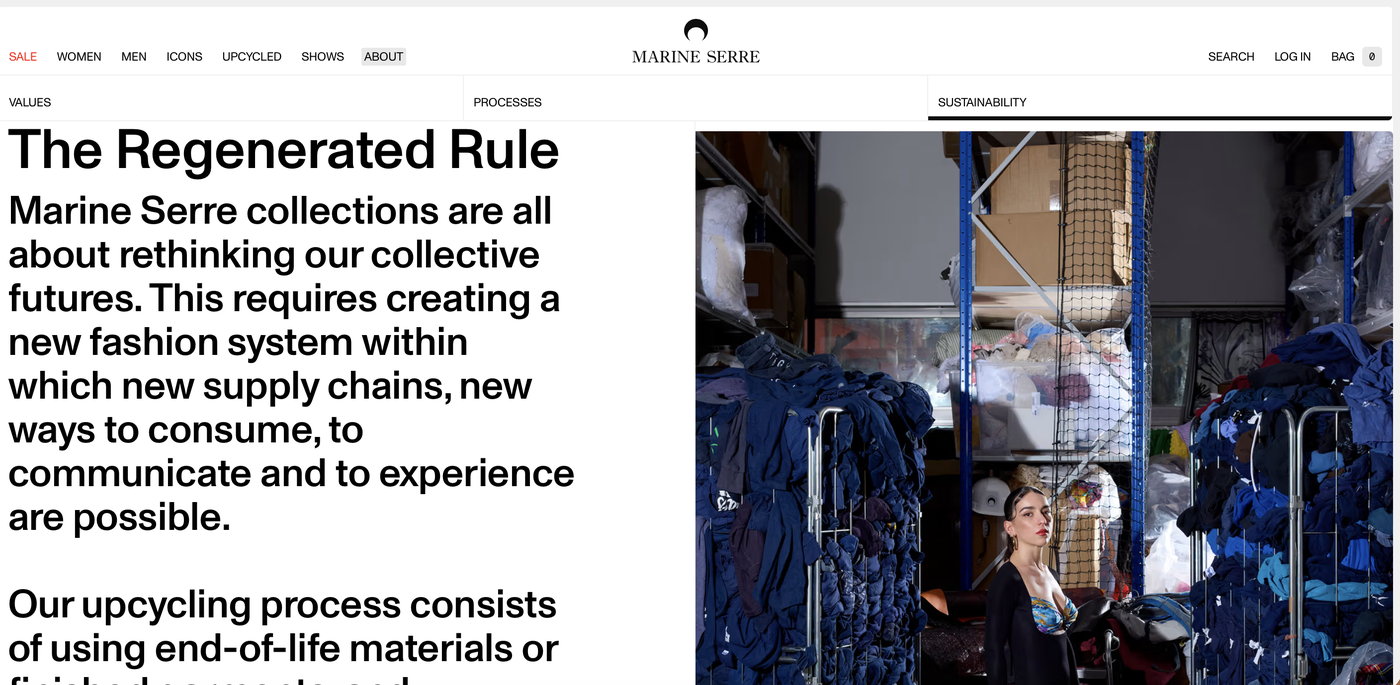
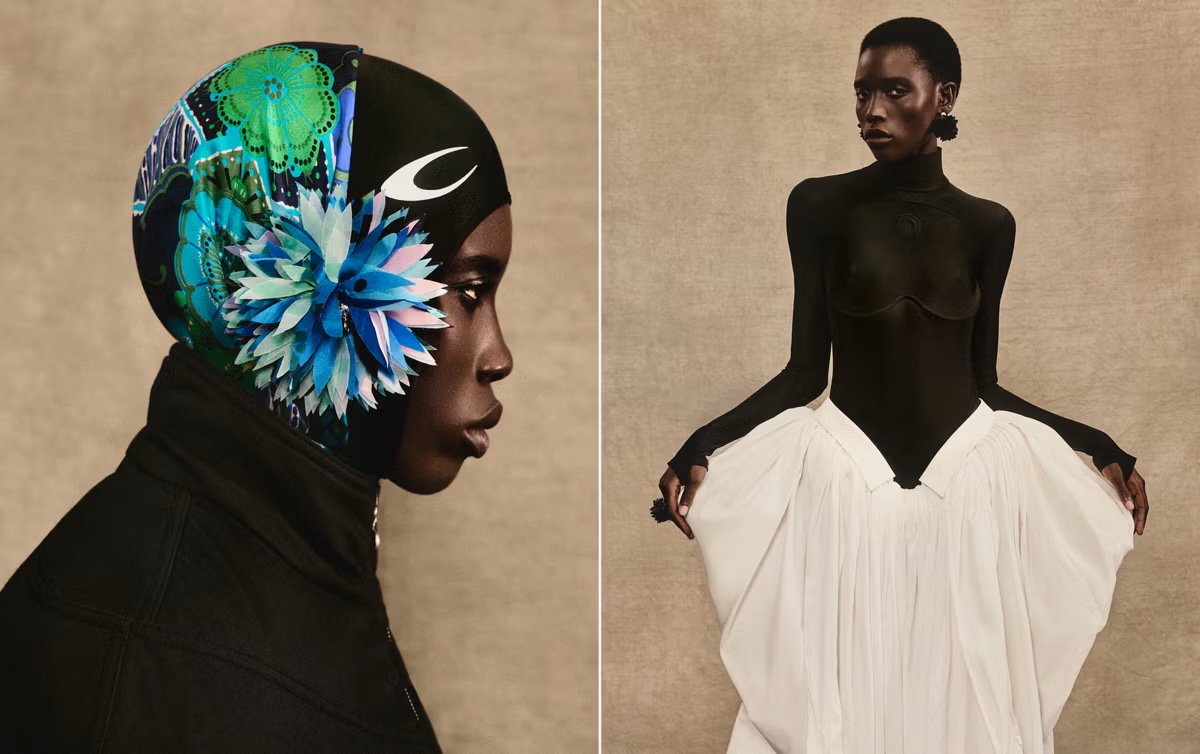
Figure 5.14. Marine Serre, The Grace of Time, Fall–Winter 2026. Presented as a series of living paintings, the campaign frames garments as objects that can endure, transform and gather meaning over time, connecting emotional value with craft, memory and transmission.
Campaign credits: Photography — Arash Khaksari; Models — Nyaluak Gatluak and Ambre Roumeau; Set Design — Sylvain Cabouat; Styling — Benoit Bethume; Hair — Pablo Kuemin; Makeup — Jenneke Croubels. Image © Marine Serre.