Chapter 4 — full chapter
4.5.1 Mini Case Example — FREITAG Yourself: Co-Creation as Product Experience
FREITAG brings customers directly into the creation process through its FREITAG Yourself stations and digital customisation tools. Instead of choosing only from finished products, participants can select and combine components made from used truck tarps and other recovered materials to create an individual bag. This turns material reuse into a visible and participatory experience rather than something that happens only behind the scenes.
For the brand, co-creation creates value on several levels. It gives customers a stronger role in the product story, makes the characteristics and uniqueness of reclaimed materials easier to understand, and can increase emotional attachment to the finished product. Earlier FREITAG Yourself initiatives have also helped the company test product concepts that later informed its permanent offer.
The case shows how co-creation can connect circular material use, customer experience, and brand differentiation. Participation is not added as a communication campaign around the product; it becomes part of how the product itself is created and understood.
Thought prompt: How can involving customers in product creation strengthen both their understanding of circular materials and their relationship with the finished product?
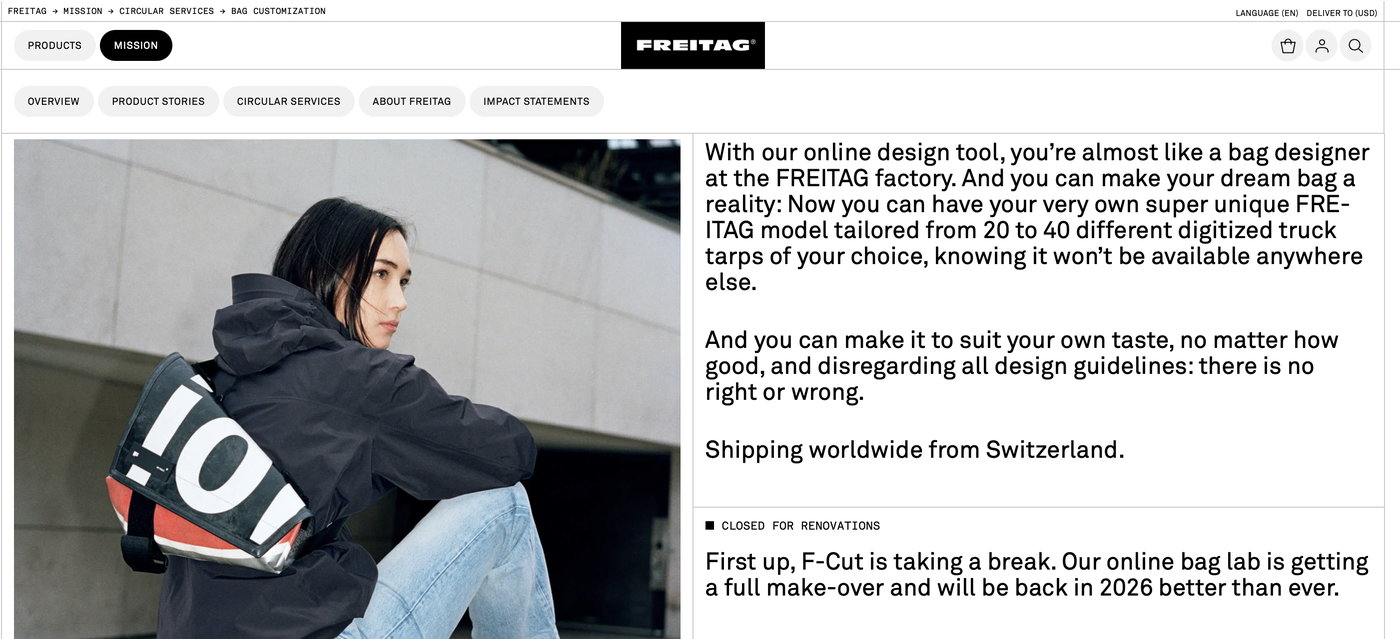
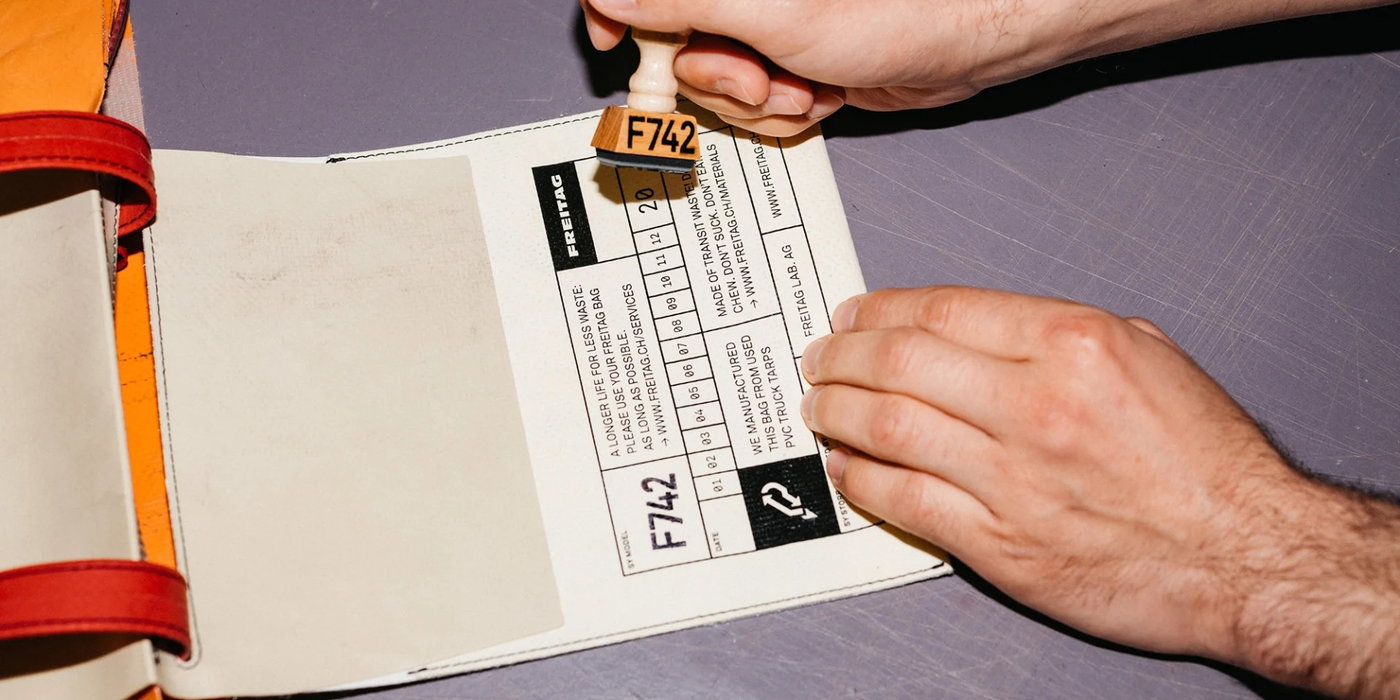
Figure 4.8. FREITAG’s F-Cut customisation experience, allowing customers to select sections of digitised used truck tarps to create a unique bag. The process makes material reuse visible and turns the customer into an active participant in product creation.
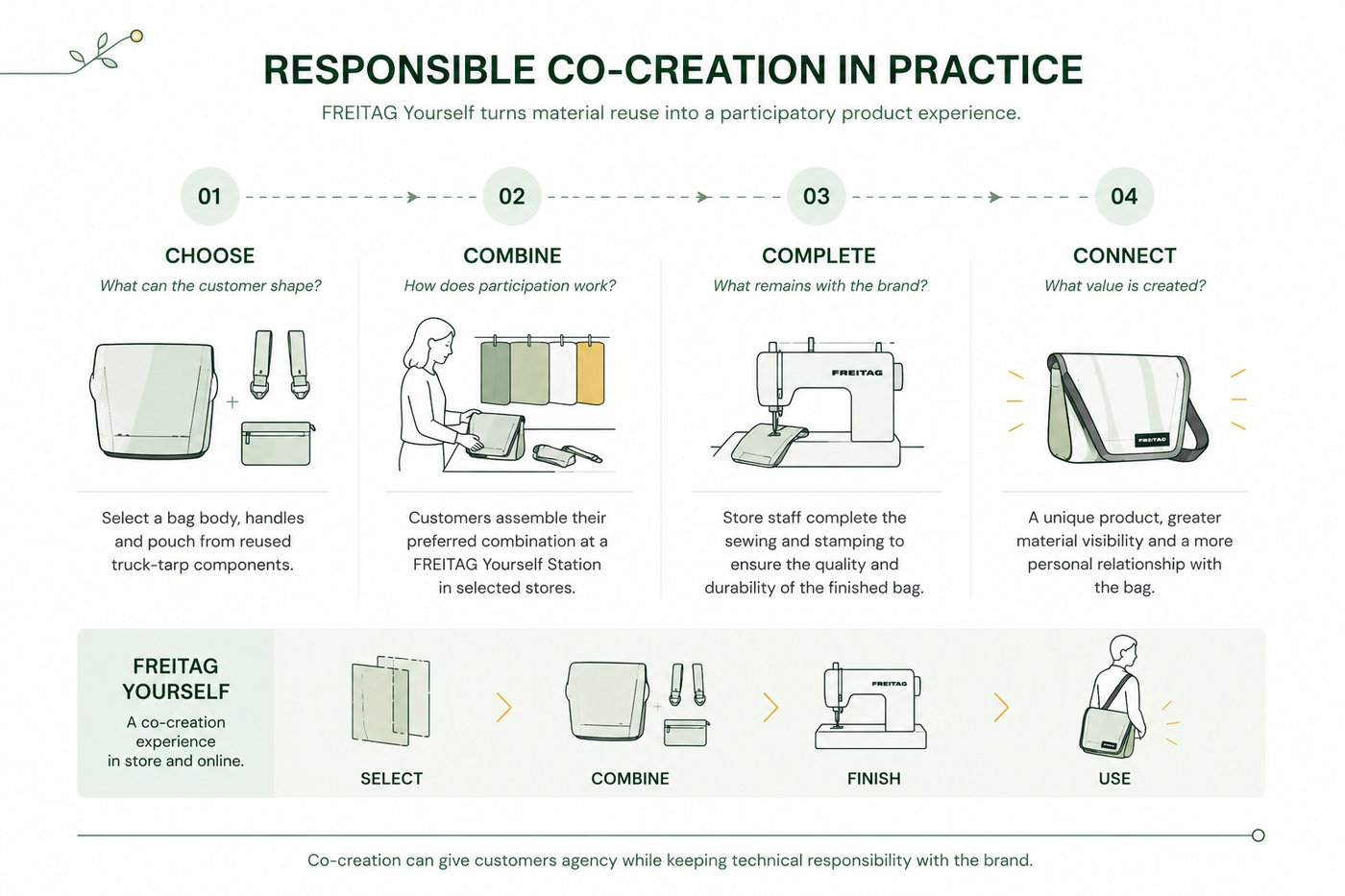
Figure 4.9. Responsible co-creation in practice: FREITAG Yourself. The FREITAG Yourself experience allows customers to select and combine components made from reused truck tarps, while the brand retains responsibility for final assembly and product quality. The model illustrates how co-creation can increase customer agency, material understanding, and attachment to the finished product.