Chapter 5 — full chapter
5.5 Industrial symbiosis
Industrial symbiosis promotes collaboration between companies by transforming the waste or by-products of one organisation into valuable resources for another. In the textile sector, this may involve sharing surplus fabrics, reusing cutting scraps, exchanging recovered fibres or collaborating on common waste collection and recycling systems.
Such partnerships reduce disposal costs, improve resource utilisation and support the development of regional circular ecosystems, particularly for small and medium-sized enterprises that may not have access to individual recycling infrastructure.
However, for companies, achieving this symbiosis can become more difficult if companies lack the technology and infrastructure needed, inter-company cooperation or management support. Overcoming these challenges is what allows companies to become more resilient and efficient though circular pactices.
Case example: Kvadrat Really
Kvadrat Really illustrates industrial symbiosis by turning textile residues from other organisations into inputs for new interior products. Its material streams can include post-consumer textiles, industrial laundry waste and production residues that would otherwise have limited value.
The case's relevance lies not only in the recycling technology itself, but in the relationships between industries: one organisation’s residual textile stream becomes another organisation’s raw material. Figure 5.5 shows the Textile TableTop by Fredericia Furniture for Kvadrat. It illustrates industrial symbiosis by transforming textile residues from other organisations and production streams into durable inputs for new products.
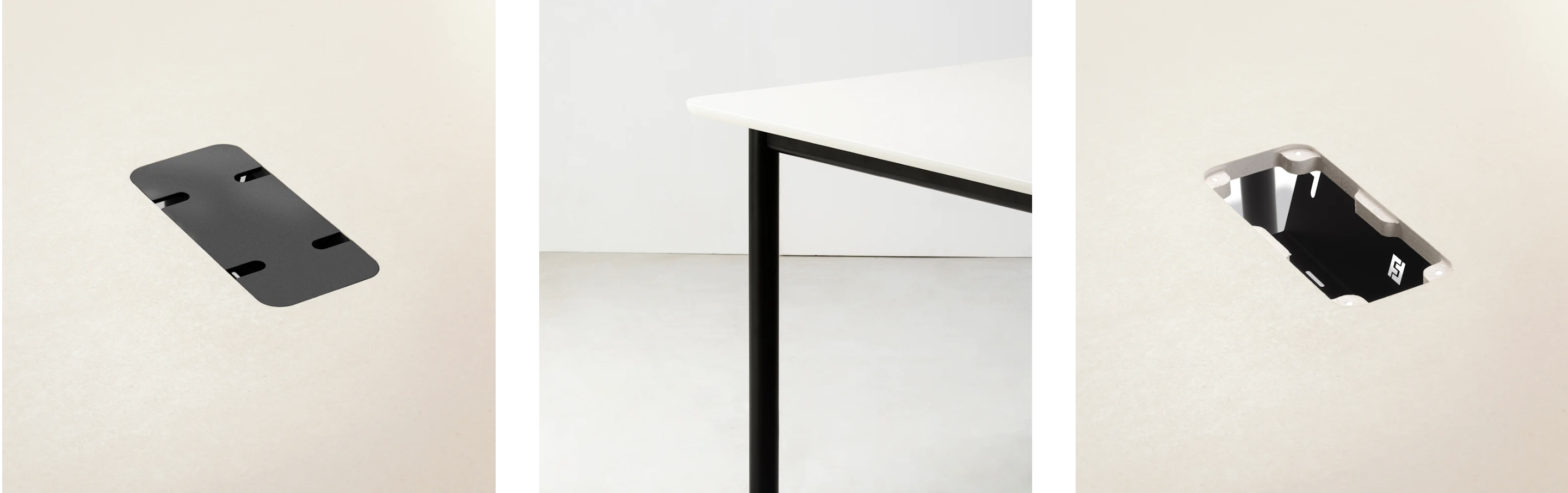
Figure 5.6 Kvadrat Really Textile Tabletop™, an engineered interior material made from 70% textile waste. Credit: Kvadrat Really. Source: Kvadrat Really, Textile Tabletop™
This requires consistent material quality, collection, logistics and collaboration between waste holders, processors and manufacturers.
Source: https://www.kvadrat.dk/en/kvadrat-really
The specific recycling and material-recovery technologies used for textile waste are examined in Chapter 6.
Resource insight: Recovery of tannery residues: industrial symbiosis models from the Italian leather value chain, Transitions-pathways, May 2026. Source: https://transition-pathways.europa.eu/textiles/best-practices/recovery-tannery-residues-industrial-symbiosis-models-italian-leather-value