Chapter 1 — full chapter
1.6 Implementation challenges and opportunities
Circularity is not achieved by changing a single material, but by building strong supplier relationships, ensuring traceability, and integrating circular criteria into sourcing decisions.
Adopting circular materials and processes offers fashion SMEs opportunities to improve sustainability, strengthen competitiveness, and respond to evolving market and regulatory demands. However, successful implementation requires overcoming several practical challenges:
Material sourcing and supplier engagement
Choosing circular materials depends on sourcing reliable suppliers who provide consistent quality, transparent information, and certifications or traceability. Since many circular materials are emerging, limited in availability, or produced by specialized suppliers, challenges include minimum order sizes, lead times, and costs, barriers for SMEs. Building strong supplier relationships is vital. SMEs should inquire about origin, whether materials are recycled, regenerative, or bio-based, supporting certifications, processing needs, production compatibility, and end-of-life disposal. Collaboration ensures better decisions and prevents choosing materials solely based on perceived sustainability.
Cost and availability
Circular materials may be costlier, less available, or have longer lead times, making adoption challenging for SMEs with tight margins and small volumes. However, value extends beyond price, including regulatory compliance, product differentiation, sustainability messaging, reduced waste, perceived quality, customer loyalty, and new market access. SMEs should begin with a single product, collection, or material stream to test feasibility, gather feedback, and build confidence gradually.
Consumer expectations continue to drive demand for sustainable products that also deliver quality, durability, aesthetics and fair prices. Transparent communication supported by credible certifications is essential to build trust and avoid misleading environmental claims. Effective messaging should detail materials, origin, and responsible use, including fiber content, recycled or certified components, supplier info, production location, care instructions, end-of-life guidance, and certifications.
Innovation and collaboration across the value chain enable SMEs to access new materials, technologies, and expertise through partnerships with suppliers, manufacturers, researchers, and industry networks. Repair and resale platforms can extend product life, while universities, research centers, and industry networks provide technical support and innovation opportunities. Certification bodies and digital traceability providers enhance transparency and credible claims. Innovation often begins with small steps: testing recycled fibers, simplifying product materials, improving durability, partnering with local repair services, or collecting returned products.
Integrating circular materials into product development workflows means incorporating circularity into material selection, supplier evaluation, and production planning from the earliest stages, allowing sustainability to become part of routine business practice rather than an isolated initiative.
The choices made at this stage determine which recovery pathways remain possible later in the product life cycle. Chapter 6 explores these end-of-life and material recovery routes in more detail.
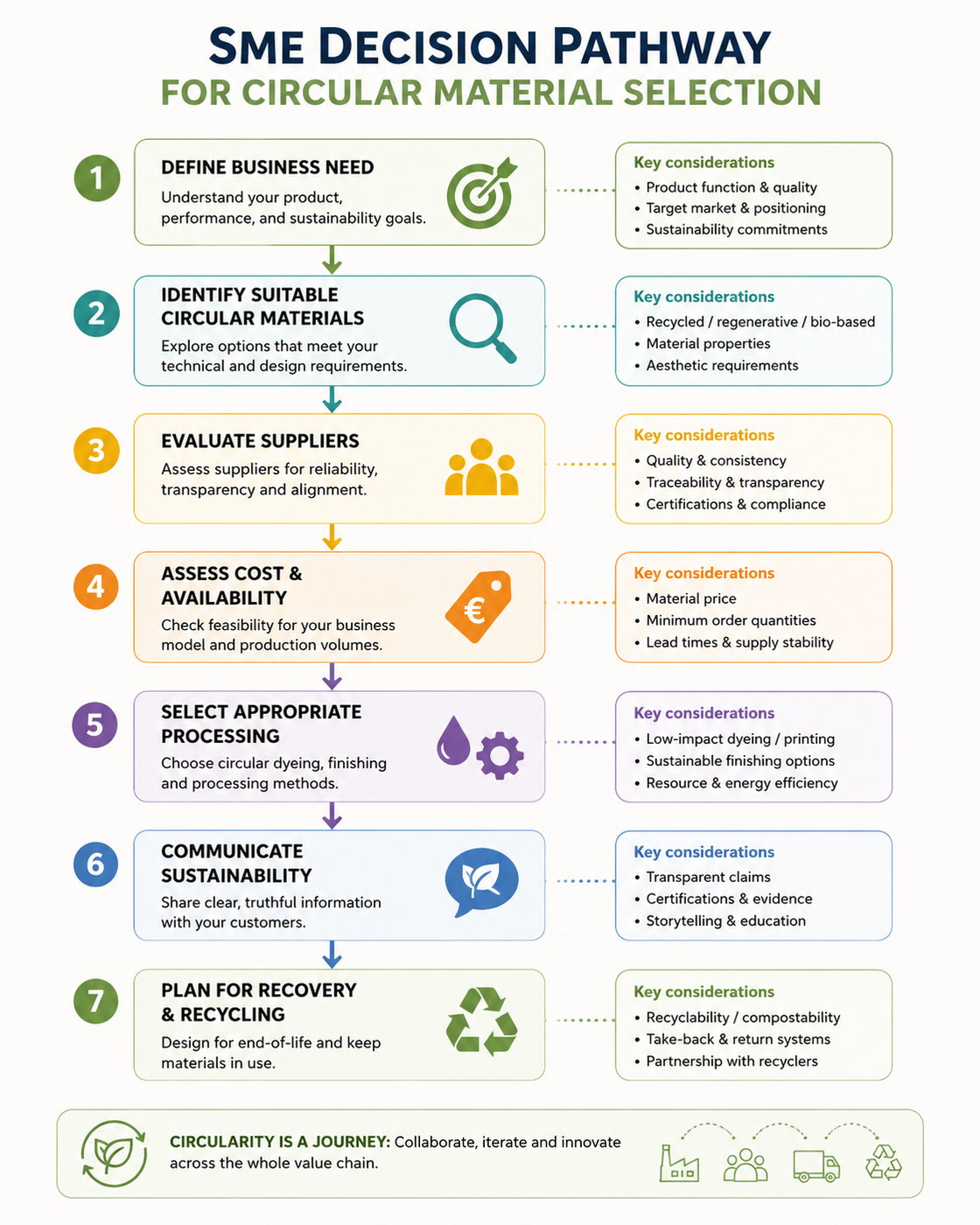
Figure 1.7. Implementation challenges and opportunities for fashion SMEs adopting circular materials and processes. Credit: FashionKIC, 2026