Chapter 3 — full chapter
3.4 AI Visualization: Digital Photoshoots and Virtual Models
Once a garment exists as an accurate 3D model, the image of it no longer requires the object. Sample, studio, model, and crew were never the product; they were the apparatus for producing pictures, and rendering replaces that apparatus with computation. What follows is a shift in where the cost of a campaign sits, from logistics and reshoots to modeling time and compute, and a shift in what a photograph attests to, since the image can now precede the garment or stand in for one that will never be made.
This section covers how that imagery is produced, from rendering and virtual models to generative acceleration of scenes and variations, and then examines digital-only fashion, where the asset itself is sold. The recurring question is not whether the output is convincing but what it replaces: substitution for physical production is an environmental gain, addition to it is not.
3.4.1 Shooting Without a Studio: AI Rendering and Virtual Models
Rendering is the final step that makes virtual clothes look real: a high-quality 'photograph' of the 3D design computed from textures, colors, lighting, and movement in tools such as CLO3D, Blender, or Substance. The digital photoshoot replaces or complements the physical one: garments are simulated on posed, animated avatars that generate complete campaigns before a single sample exists, cutting the costs, logistics, and emissions of travel, sets, and reshoots. Virtual models and digital fashion icons extend this to gaming, social media, and the metaverse, where garments may exist only digitally. Generative AI accelerates every stage, rendering and upscaling, scene generation, model diversity, campaign variation, and is now integrated into all major 3D suites. The implications require critical attention: transparency toward consumers, representation and body diversity, the economics of creative work, and the energy footprint of rendering and AI inference. The sustainability case rests on what digital production replaces.
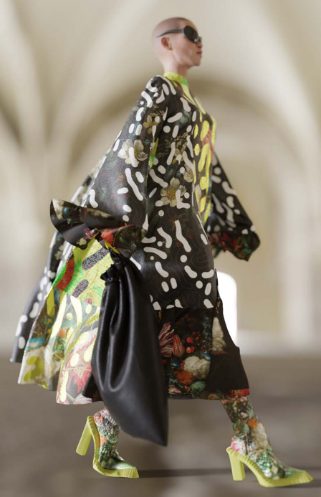
Figure 3.8, Rendered digital fashion look: presentation-quality visualization produced entirely in 3D. (Source: Amsterdam Fashion Institute)
3.4.2 Case example: DressX × Bershka, digital-only fashion
The partnership between DressX, the leading digital-only fashion platform, and Bershka (Inditex group) brought a digital fashion collection to a mass-market audience in 2022. Customers purchased garments that exist only as digital assets: they upload a photo (or use AR), and receive the image 'wearing' the garment through CGI compositing, no fabric, no shipping, no returns.
The case shows virtual fashion functioning as product and sales channel simultaneously: revenue generated with no physical production, a mainstream fast-fashion audience introduced to digital-only garments, and a live experiment in whether digital items can absorb part of the demand for newness that drives overconsumption. It also sharpens this section's critical questions: a digital garment has near-zero material footprint per wear, but its value depends on the same attention economy that fuels fast fashion, substitution or addition remains the key empirical question.
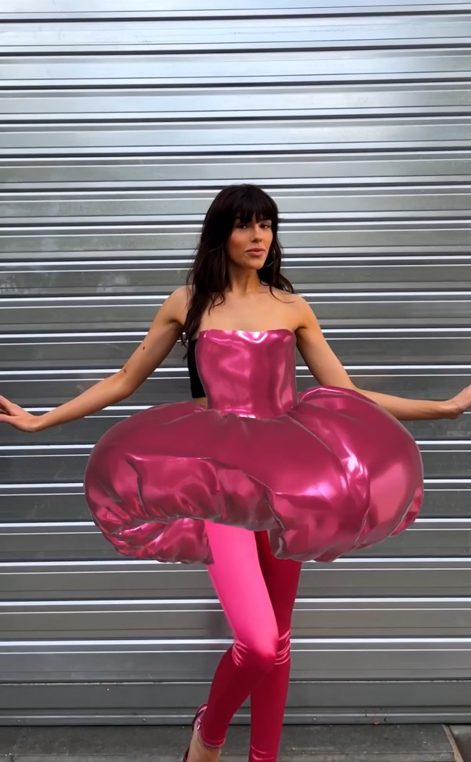
Figure 3.9, look from the DressX[3] × Bershka digital collection. Sources: https://store.dressx.com/collections/bershka-x-dressxDressX[3]https://store.dressx.com/collections/bershka-x-dressx