Chapter 3 — full chapter
3.3 AR Try-On and Virtual Fitting Rooms
E-commerce inverted the order of fit: the garment is shipped before it is tried, and the return leg is how the customer resolves a question the platform could not answer. The result is the sector's largest hidden cost, paid in transport, repackaging, and stock that comes back unsellable. Virtual fitting moves that question in front of the purchase, extending the same garment simulation used in design (3.2) to a body that belongs to the buyer rather than to a size chart.
This section covers how the pipeline works, from body measurement to avatar to simulated drape and size recommendation, and then examines its deployment at retail scale, where the environmental case rests less on the novelty of the experience than on the logistics it removes.
3.3.1 Trying On Without Touching: How AR Fitting Works
The typical workflow: the user provides measurements, manually, via 3D scanner, or through a mobile camera, and the software builds an avatar recognizing body type and proportions; selected garments are placed virtually with simulated fabric behavior (folds, stretch, drape); the user adjusts size, color, and length interactively while the system recommends optimal sizing; the choice connects directly to the e-commerce platform. The technology stack combines augmented reality, 3D body scanning, fit software (CLO, Browzwear, Metail, Zugara), and AI models that predict the ideal size for each body type. Implementations across physical and online channels are associated with a 20–30% reduction in return rates, alongside higher customer satisfaction and increased sales of personalized products. Beyond retail, the same immersive technologies serve production: in Industry 5.0 settings, AR glasses overlay instructions and quality guidance onto the worker's view, while VR supports immersive training and collaborative design reviews.
For your SME / business case: virtual fitting can cut e-commerce returns by 20–30%, for a €1M online turnover with 25% returns, that is roughly €50–75k of avoided returns handling per year, before counting emissions.
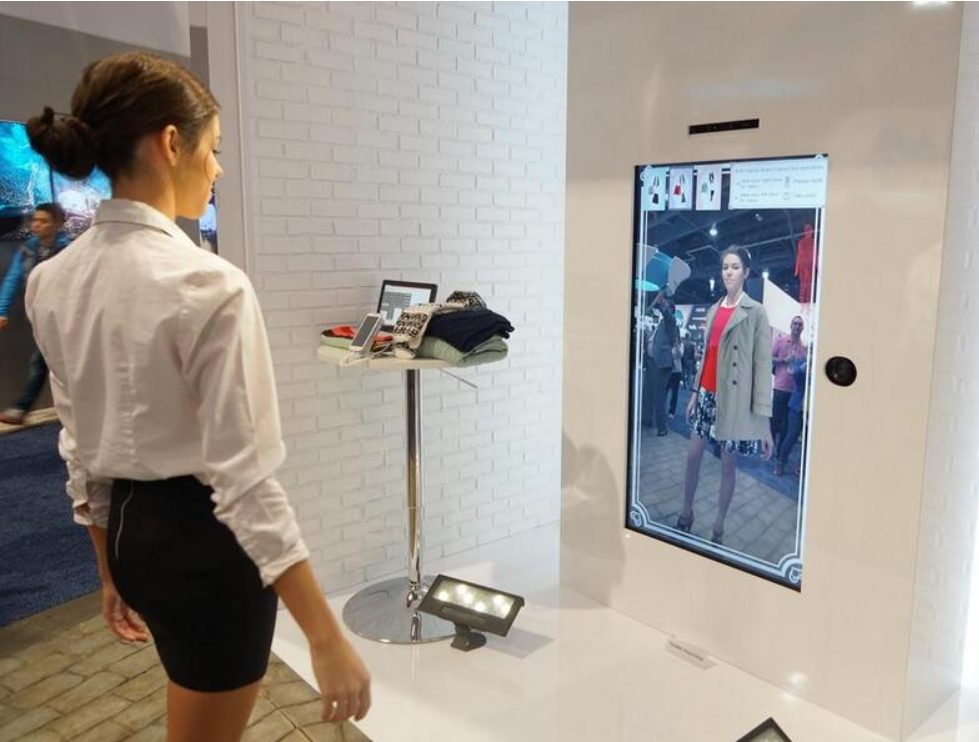
Figure 3.6, Virtual fitting room in retail: AR mirror-based garment try-on. (Source: Toshiba, CES 2015)
3.3.2 Case example: Zara, AR try-on
Zara's digital try-on[12] deployment, analyzed in Zara's digital try-on deployment documentation, integrates AR-based virtual fitting into a global retail chain: customers visualize garments on themselves via the app and in-store touchpoints, AI-driven size recommendations reduce mis-purchases, and fitting data feeds back into sizing and design decisions. Combined with 'Size-at-Home' self-measurement solutions, the fitting experience follows the customer across channels.
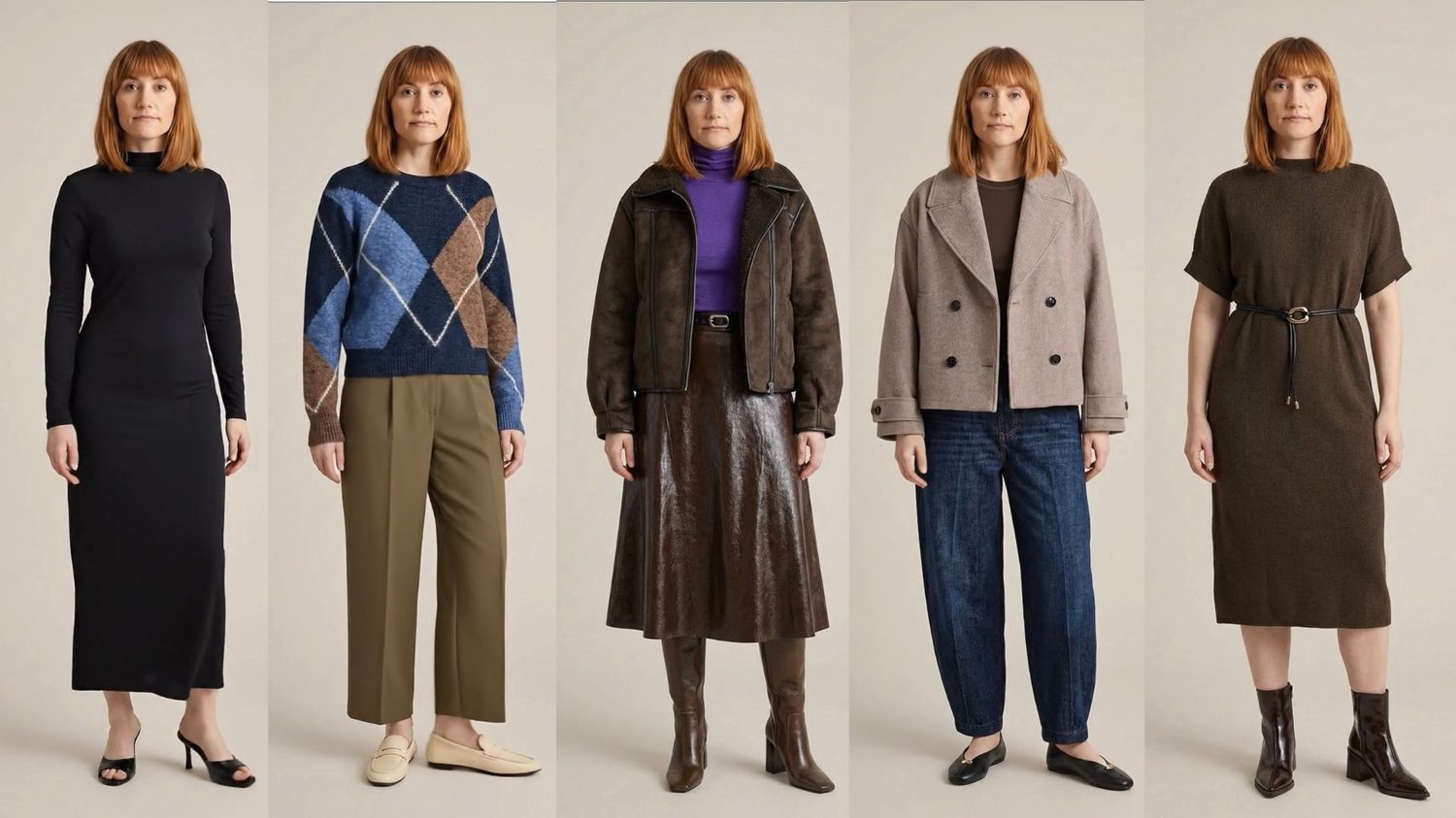
Figure 3.7, Zara's AR try-on: pointing a phone at the store window brings the look to life. (Source: Zara)