Chapter 3 — full chapter
3.2 Digital Fabrics and Garment Simulation
Digital fabrics make virtual garments behave like real ones. This section explains the physics behind fabric simulation, how real textiles are digitized, and how construction and fit analysis keep virtual fashion connected to physical production. Along the way, we will look at the main tools designers actually use, 3D garment-simulation suites such as CLO3D, Browzwear (VStitcher), and Style3D, and material-digitization systems such as Vizoo's xTex.
Tools
- CLO3D, Browzwear, Style3D, Marvelous Designer, 3D garment design, simulation, and fitting
- Blender (+ Human Generator), Adobe Substance Painter, avatar modelling, texturing, rendering
- Alvanon AlvaForms, digital sizing platform; 3D body scanners; Vizoo, fabric digitization
- Mixamo, motion libraries; CLO AI pose generator, avatar posing and animation
- Metail, Zugara and AR try-on platforms, consumer-facing virtual fitting
3.2.1 Making Pixels Behave Like Cloth: Fabric Simulation
Digital fabrics are virtual versions of real materials, cotton, silk, denim, leather, with measurable properties: bending rigidity (stiffness in draping), tensile behavior (resistance to stretching), and shear (response to bias-direction forces), in relation to weight and thickness. Simulation engines compute how the fabric's mesh interacts with the avatar's body mesh; particle distance (mesh resolution) balances fidelity against speed. Realism comes from data: PBR texture maps, texture, normal, displacement, roughness, metalness, make materials respond to light like their physical counterparts. Construction keeps the process honest: digital garments are built from pattern pieces stitched on the avatar exactly as physical garments are, and analysis tools such as CLO3D's Fit Map color-code fabric tension from blue (loose) through green (ideal) to red (too tight), letting designers detect and correct fit issues instantly. The benefits compound: faster iterations, drastically fewer physical prototypes, consistent fit across sizes, better team communication, and lower sampling costs and emissions.
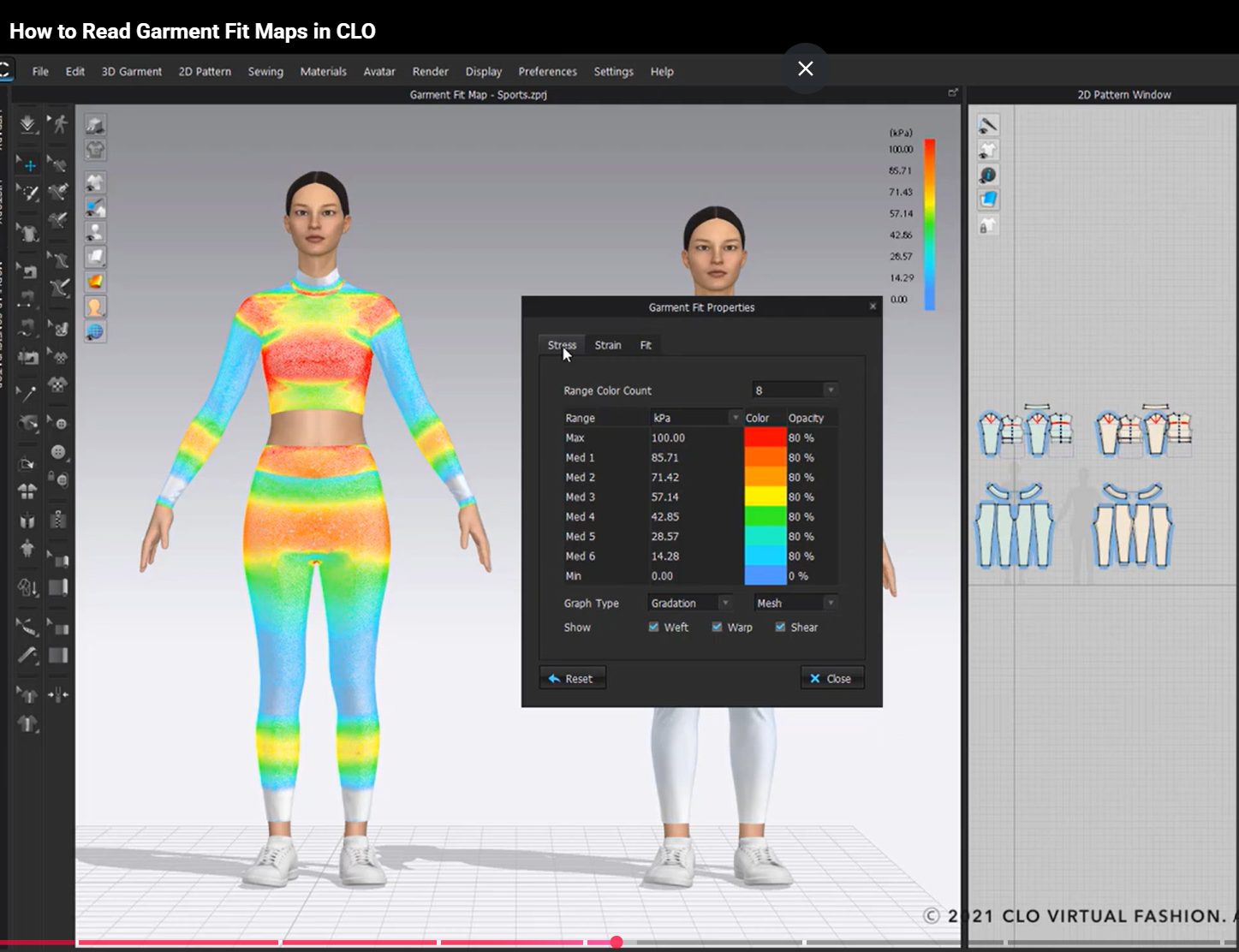
Figure 3.3, Fit Map in CLO3D: color-coded fabric tension, from loose (blue) to critical (red), used to detect and correct fit issues digitally. (Source: CLO3D)
3.2.2 Case example: Vizoo, xTex material scanning, Browzwear XStitch.
Vizoo's xTex scanning system shows how physical textiles enter the digital pipeline. The scanner captures colour, texture, shine, and weave structure, including surface relief in wool, denim, or jacquard, and produces complete PBR material packages (texture, normal, displacement, roughness, metalness maps) that react realistically to light in any major 3D software.
Fabric mills and brands use it to build digital fabric libraries: a physical swatch is scanned once, then draped, tested, and presented digitally unlimited times. Sample yardage no longer needs to travel between mill, brand, and manufacturer for every seasonal development cycle, the digital sample behaves like the physical one, and the physical shipment happens only for validated candidates. For SMEs, scanning services and shared libraries lower the entry barrier to fully digital material workflows.
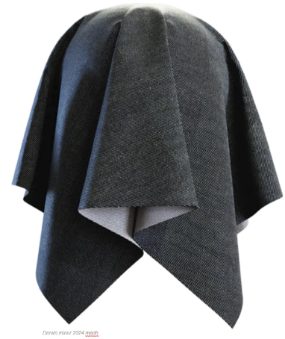
Figure 3.4, (left) PBR fabric render from scanned textile data: digital denim draping with physically accurate light response. (right) Vizoo’s xTex™ A4 scanner (Source: https://www.vizoo3d.com)
Another tool for digitalization is the Browzwear Learning Hub. VStitcher builds accurate virtual twins of physical garments; the Fabric Analyzer measures real fabric properties and applies them digitally, so digital samples behave like the physical product; Stylezone supports cloud review of collections
3.2.3 Case example: the Prato Textile Museum archive, from heritage fabrics to digital materials
The Museo del Tessuto di Prato (museodeltessuto.it), Italy's largest center for the study and conservation of historic and contemporary textiles, over 10,000 artifacts and the historical memory of a district that has meant textiles since the Middle Ages, shows what digitalization means upstream of design: turning a physical archive into a searchable library of digital materials. Three initiatives make the point. The research project Prato Phygital (University of Florence with the Museo del Tessuto and the Prato manufacturer Marini Industrie SpA) develops a fabric-digitization procedure and applies it to dynamic models rendered in interactive digital environments; fabrics are selected for both historical significance and technical feasibility, and Marini Industrie has digitized archival fabrics no longer in production, reviving out-of-production heritage textiles as digital twins without re-weaving them. The Prato Heritage Hub (Museo del Tessuto with the Comune di Prato and PIN) equips textile companies with 'Heritage Manager' cataloging software and has produced thousands of high-resolution images of archival fabrics and yarns. And the Textile Library (opened 2021) has cataloged and digitized more than 200 contemporary yarn, fabric, and raw-material samples focused on sustainability and innovation. For a design engineer, the lesson is direct: once a fabric's construction, color and behavior are digitized, a centuries-old archive becomes an input to 3D design and garment simulation, heritage patterns can be re-used, restyled and virtually prototyped with no physical sampling, and a regional industrial memory becomes shared digital infrastructure for circular, localized production.
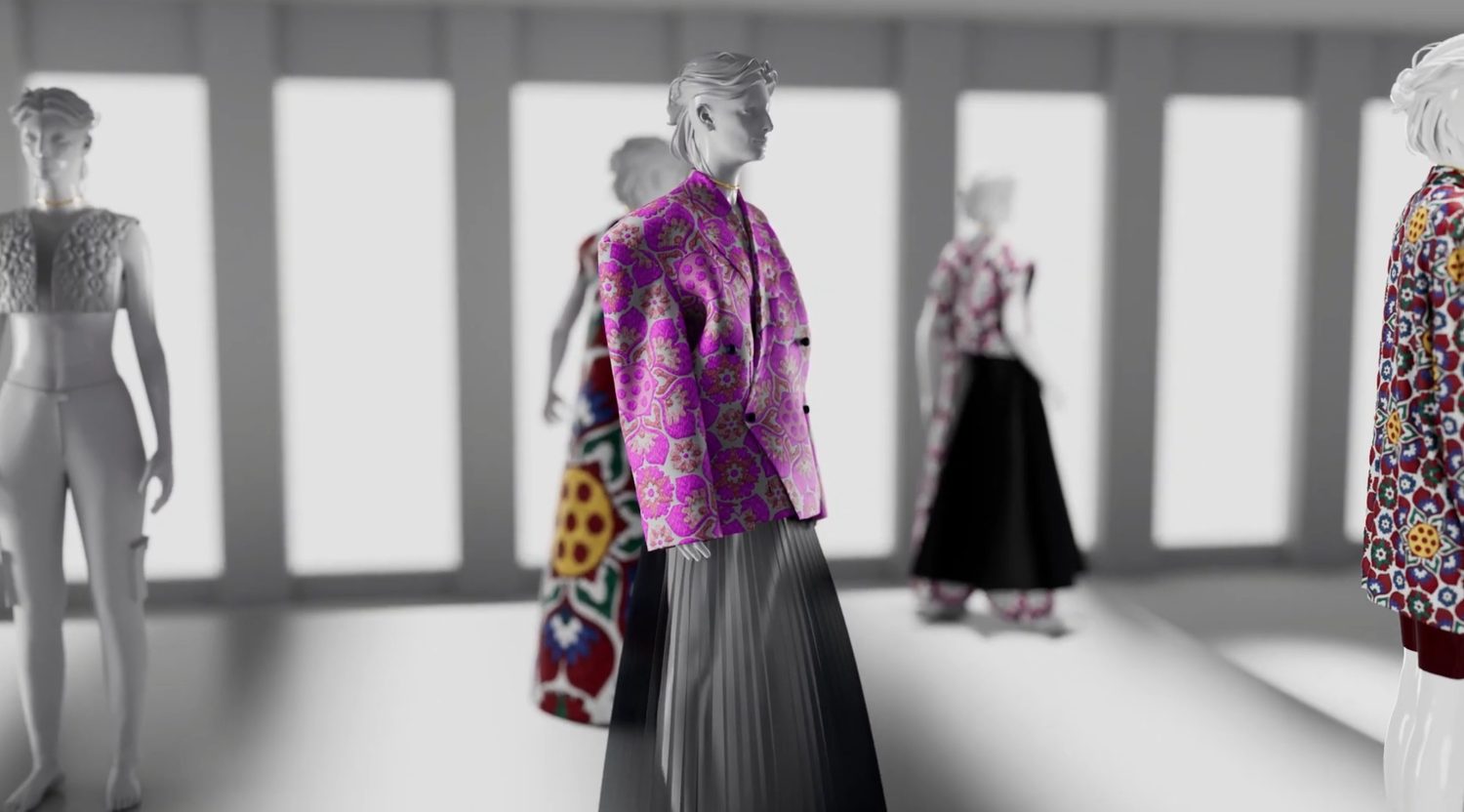
Figure 3.5, Digitizing the Prato textile archive: the Museo del Tessuto and the Prato Phygital project turn historic fabrics into digital materials. (Source: museodeltessuto.it)
3.2.4 The Digital Sampling Loop
A digital sample is a 3D garment that serves as a stand-in for a physical one in the development loop. The loop it replaces is expensive: traditionally, every fit or print change means a new physical sample, a courier trip, and a wait. Digital sampling compresses that cycle, fit iterations, colorways and print placements are tested on screen, and only the final validation needs fabric. The loop is closed when the digital sample is approved: reviewed on the avatar for fit (Fit Map), on the fabric for drape, and on the garment for print placement. Every approved digital sample is one fewer physical sample to sew, ship, and discard. The same logic applies to customers: virtual fit cuts e-commerce returns, which are, in effect, physical samples of the wrong size shipped back.