Chapter 3 — full chapter
3.1 Virtual Reality, Digital Twins, and Avatars
Every digital prototyping workflow needs a body before it needs a garment. The avatar is that body: a parametric or scanned geometry that carries the measurements, posture, and surface behavior against which a design is fitted, evaluated, and presented. Where an analog workflow can only test fit by cutting a sample, an avatar makes the same question answerable as a simulation, provided the underlying morphology is accurate enough to be trusted.
This section examines how avatars are constructed, from standardized size libraries and brand-specific blocks to 3D body scans and statistically generated populations, and what each source implies for fit accuracy and demographic coverage. It then introduces the digital twin, the persistent data object that binds a virtual model to its physical counterpart across design, production, and use, and virtual reality as the environment in which these models are reviewed at scale. Together they establish the representational layer on which the remainder of the chapter depends.
3.1.1 Fitting Before Making: Avatars and Digital Twins
In 3D fashion platforms such as CLO3D, Browzwear, or Style3D, designers create or customize digital body models matching real human measurements, height, bust, waist, hip, posture, and test how garments fit different body shapes and sizes before anything is physically made. Avatars can be generated from standard-size libraries, derived from 3D body scans, or built with tools such as Blender's Human Generator. This is the fashion application of the digital twin concept: a precise virtual representation of a physical asset, a body, a garment, an entire product, kept consistent with its physical counterpart, while Digital Product Creation (DPC) extends the idea across the whole lifecycle. Artificial intelligence accelerates avatar creation, lifelike faces, poses (CLO3D's AI pose generator), motion (Mixamo[9] libraries), with one caveat for fashion use: for garment development, full control over body measurements and their interaction with patterns remains essential. The sustainability and inclusivity gains are concrete: testing fit digitally across diverse body types reduces sample rounds and supports size-inclusive design.
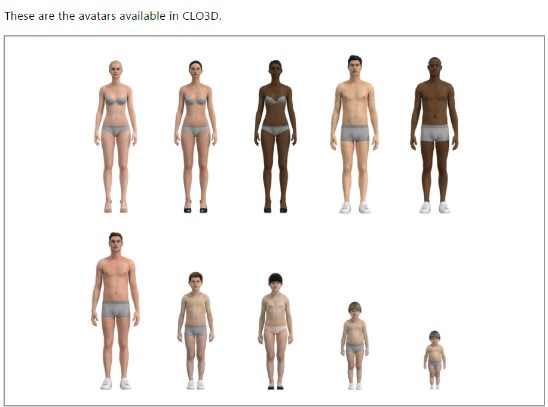
Figure 3.1, Avatar size libraries in CLO3D: standard body models across genders, ages, and sizes. (Source: CLO3D)
3.1.2 Case example: Alvanon, AlvaForms
Alvanon[1], the market leader in sizing technology, illustrates the physical-to-digital transition of the entire fitting infrastructure. Its cloud-based Body Platform hosts over 6,000 virtual 'AlvaForms' representing diverse body shapes; the same forms are available as precisely crafted physical mannequins in classic, soft, and tailored versions for women, men, and children, off-the-rack, personalized, or fully customized.
The virtual AlvaForms are compatible with the major 3D simulation platforms, so a brand can develop and grade garments on the same body, digital during development, physical during final validation, across all its suppliers worldwide. The result is a working digital twin system deployed at industry scale: fewer fit samples shipped between continents, consistent sizing across product lines, and a shared, measurable definition of fit that also supports size-inclusive design.
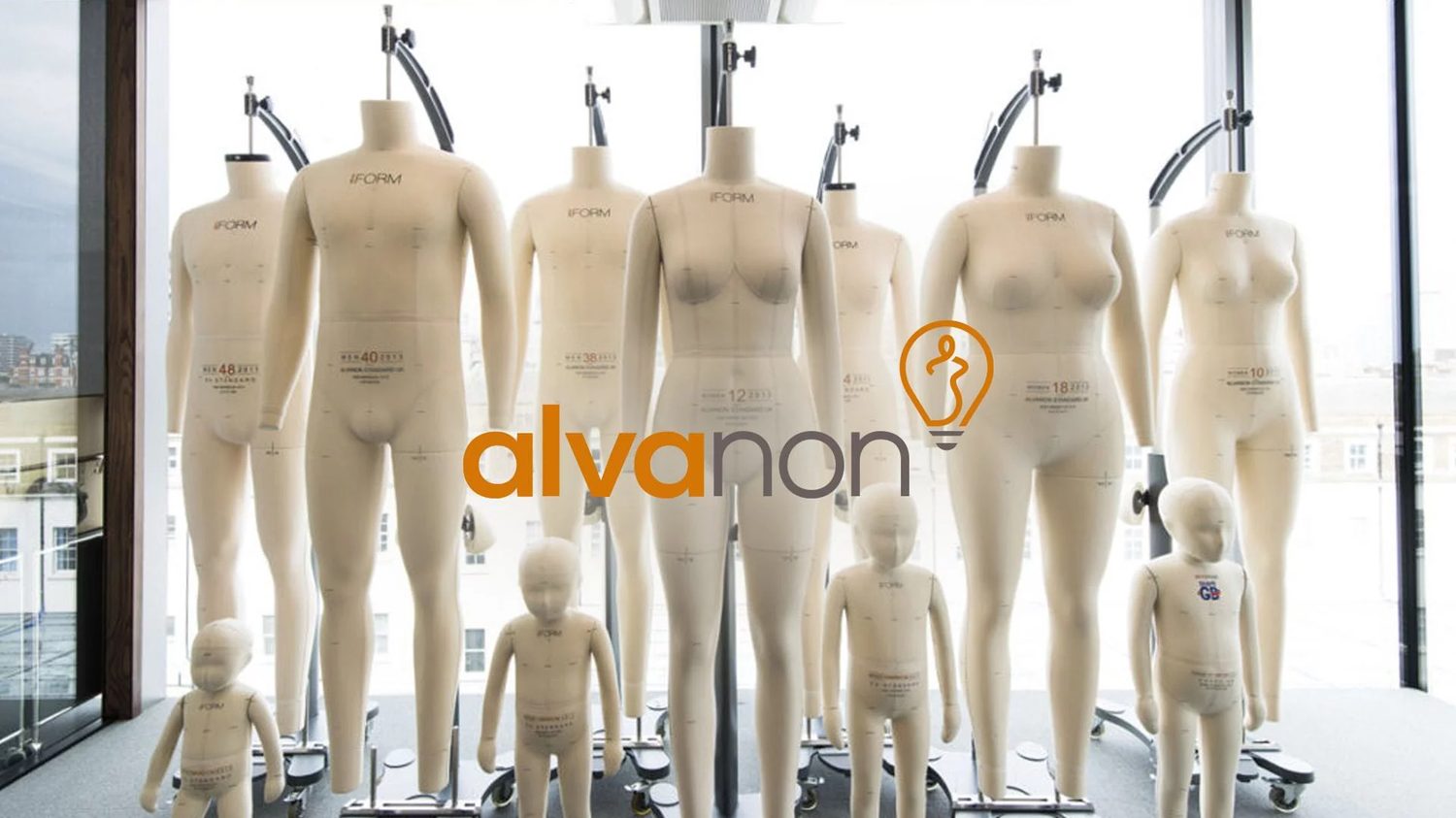
Figure 3.2, Alvanon physical AlvaForms, the physical counterpart of the digital AlvaForms body platform. (Source: https://alvanon.com/products)
← PreviousNext: 3.2 Digital Fabrics and Garment Simulation →